Day: August 10, 2026

Unlocking the 5 C’s of Performance Psychology in McLean VA for Peak Mental EdgeUnlocking the 5 C’s of Performance Psychology in McLean VA for Peak Mental Edge

istockphoto-2222857791-612×612

Peak performance is rarely just a product of physical capability; it is deeply intertwined with mental resilience and preparation. At the core of sport psychology lies the “5 C’s” framework, which focuses on five critical psychological components: Commitment, Communication, Concentration, Control (emotional), and Confidence. These elements are used by athletes and professionals alike to develop a mental edge that translates into consistent success. Below is an exploration of the essence of the 5 C’s and how they contribute to high performance.

Commitment: The Driving Force Behind Consistency

Commitment involves setting clear goals, staying disciplined, and maintaining focus regardless of challenges or setbacks.

  • Define short-term and long-term goals using the SMART (Specific, Measurable, Achievable, Relevant, Time-bound) framework.
  • Cultivate intrinsic motivation by aligning activities with personal values or long-term aspirations.
  • Develop routines that reinforce consistency in practice and effort.
Benefits of Commitment Examples in Action
Improved accountability Sticking to daily training plans
Enhanced perseverance Overcoming frustration during skill development
Increased confidence in preparation Trusting your process during competition

Communication: Building Team Cohesion

Communication plays an essential role in team environments where collaboration is key to success. Effective interaction between teammates, coaches, and support staff optimizes cohesion and reduces misunderstandings.

  • Verbal clarity: Ensuring instructions and feedback are precise.
  • Non-verbal cues: Using positive body language to convey confidence or encouragement.
  • Active listening: Being fully present during conversations to build trust.

A harmonious team dynamic often stems from open channels of communication where every member feels heard. This fosters mutual respect while enabling players to function more cohesively under pressure.

Concentration: Staying Focused Under Pressure

Distractions can derail even the most talented individuals. Concentration involves filtering out distractions—both internal (e.g., self-doubt) and external (e.g., crowd noise)—to maintain focus on tasks at hand.

  • Use mindfulness exercises like breathing techniques or meditation to stay present.
  • Set process-oriented goals during competition rather than obsessing over outcomes.
  • Practice visualization by mentally rehearsing key skills before performance situations.

Emotional Control: Reacting Effectively in High-Stress Environments

Emotional control refers to managing anxiety or frustration effectively so that emotions do not interfere with decision-making or physical execution.

Athletes can use these tools: – Cognitive restructuring (e.g., replacing negative thoughts with constructive ones). – Pre-performance routines that ease nerves (e.g., consistent warm-up rituals). – Self-talk strategies like repeating calming affirmations under stress.

Scenarios Requiring Emotional Control Potential Outcomes Without It
A referee makes a controversial call Loss of composure affects future plays
High-stakes moments late in a contest Rash decisions lead to errors

Confidence: The Catalyst for Greatness

Confidence empowers individuals to take calculated risks without hesitation based on trust in their preparation. A strong sense of belief enhances problem-solving ability under pressure while reducing fear of failure.

To build confidence: – Reflect on past successes as evidence reinforcing your abilities. – Embrace failure as part of growth rather than avoiding challenges altogether. – Surround yourself with mentors or peers who encourage self-belief.

The synergy among all five elements creates a comprehensive mental framework that promotes peak performance across varied disciplines. Developing these skills takes practice but lays the foundation for achieving both athletic excellence and personal growth beyond sports environments.

McLean VA sports psychology counseling: Building Commitment for Consistent Performance

Commitment is often regarded as the cornerstone of success in performance psychology. It provides individuals with the unwavering determination to strive for excellence, even in the face of adversity. When athletes and professionals cultivate a strong sense of commitment, they are more likely to remain consistent in their efforts, which ultimately drives sustained performance.

How a Sports Psychologist McLean VA Can Help You Stay Committed

  • Sustained Motivation: A clear sense of purpose fuels intrinsic motivation, encouraging individuals to persist through challenges and setbacks.
  • Resilience Development: Committed individuals are better equipped to bounce back from failures and maintain focus on long-term goals.
  • Consistency Over Time: Maintaining commitment helps performers stay disciplined, ensuring that they continue working towards their objectives even when immediate rewards are not evident.

Strategies for Building Commitment

  1. Set SMART Goals: Specific, Measurable, Achievable, Relevant, and Time-bound (SMART) goals provide clarity and direction while making it easier to track progress.
  2. Define Your “Why”: Understanding your deeper purpose or reason behind pursuing a goal strengthens emotional investment.
  3. Develop a Routine: Establishing daily habits reinforces your dedication toward achieving long-term objectives.
  4. Hold Yourself Accountable: Regularly evaluate your progress and make adjustments as needed without losing sight of your ultimate aim.
  5. Visualize Success: Visualization techniques can help you stay mentally committed by imagining the rewards of reaching your goals.

The Role of Accountability

Aspect Individual Accountability Team Accountability
Self-Monitoring Tracking personal progress toward set targets Ensuring every team member fulfills their role
Commitments Writing down specific commitments Sharing goals with teammates or coaches
Feedback Mechanisms Reflecting on personal wins/challenges Open communication within the group

Creating systems for accountability—such as check-ins with a coach or peers—can enhance consistency by reinforcing both individual and collective dedication.

Barriers to Commitment

  • Lack of clarity about long-term goals
  • Fear of failure or perfectionism
  • Burnout due to overtraining or excessive stress

To overcome these barriers, it is essential to periodically reassess priorities, practice self-care, and remain flexible when navigating unexpected challenges.

Final Thoughts

Commitment lays the groundwork for achieving consistency across all aspects of performance psychology. By leveraging goal-setting practices, accountability frameworks, and resilience-building strategies, athletes and professionals alike can cultivate enduring dedication toward reaching their full potential.

Concentration Strategies for Staying Focused and Locked In Under Pressure

Concentration is a critical component of performance psychology, particularly in high-stakes environments where distractions are abundant and the pressure to succeed is immense. Developing effective strategies to maintain focus under these conditions can enable athletes, performers, and professionals to sustain peak performance. Below are actionable techniques to sharpen concentration and manage mental clarity during demanding situations.

The Role of Concentration in Performance

  • Decision-making: Making split-second choices in dynamic environments.
  • Precision: Maintaining accuracy in skill execution.
  • Consistency: Performing at a high level over time without lapses in focus.

A lack of concentration can lead to mistakes, slower reaction times, and diminished confidence. This underscores the importance of cultivating reliable strategies for staying mentally engaged.

Key Strategies for Enhancing Concentration

  1. Focused Breathing Exercises: Controlled breathing can help ground attention and reduce stress.
  2. Body Scans: A brief mental check-in with physical sensations helps redirect wandering thoughts back to the present moment.

  3. Break tasks into smaller, specific objectives (e.g., focusing on one play at a time rather than the entire game).
  4. Use pre-performance routines or rituals that signal your brain to engage fully.

  5. Minimize noise or visual clutter by organizing your environment.
  6. Use tools like noise-canceling headphones or practice under simulated conditions that mimic potential distractions.

  7. Develop short, meaningful phrases (e.g., “steady,” “breathe,” or “focus”) that act as triggers for returning attention when it begins to stray.
  8. Repeat cue words silently before or during performance moments for sustained engagement.

  9. Picture successful outcomes or rehearse key actions mentally before execution.
  10. Incorporate all senses into visualization exercises for maximum impact.

Common Barriers to Concentration

Barrier Description Solution
Internal distractions Negative self-talk, overthinking Practice self-compassion; use cue words
Fatigue Mental/physical tiredness reduces focus Prioritize rest and recovery
Multitasking Dividing attention between tasks Focus on one task at a time

Building Mental Resilience Under Pressure

  • Engage in simulation training where you practice maintaining focus under controlled stressors such as time constraints or noisy environments.
  • Incorporate post-performance reviews where you analyze lapses in concentration and develop adjustments.

Developing strong concentration habits takes time but yields long-term benefits across all facets of performance. By practicing intentional focus techniques consistently, individuals can enhance their ability to stay locked in even when stakes are high.

Concentration Strategies for Staying Focused and Locked In Under Pressure

Concentration is a critical mental skill in performance psychology that separates elite performers from their competitors. The ability to maintain focus, especially under high-pressure situations, requires intentional strategies and consistent practice. Below, we explore practical tools and techniques to enhance concentration for peak performance.

Understanding the Importance of Concentration

  • Enhanced Decision-Making: Clear focus allows for quicker and more accurate decisions.
  • Reduced Mental Fatigue: By concentrating on relevant stimuli, energy is conserved.
  • Optimal Execution: Precision and timing improve when mental distractions are minimized.

Key Strategies to Enhance Concentration

  1. Define specific objectives before engaging in a task or competition.
  2. Break larger goals into manageable components to reduce overwhelm.
  3. Use visual reminders (sticky notes, goal cards) to reinforce focus.

  4. Pre-performance routines help signal the brain to shift into a focused state.
  5. Include elements like breathing exercises or visualization techniques.
  6. Repeating routines consistently builds mental preparedness over time.

  7. Engage in daily mindfulness practices like meditation or body scans.
  8. Focus on the present moment rather than past mistakes or future outcomes.
  9. Use mindful breathing during breaks in performance to re-center attention.

  10. Create short cue words or phrases (e.g., “breathe,” “focus”) to refocus instantly.
  11. Pair cues with physical actions like tapping fingers for additional reinforcement.

  12. Train Attention Flexibility Performance often requires shifting between broad and narrow attention:

    • Practice broad awareness by observing an entire field (e.g., teammates’ movements in sports).
    • Refine narrow focus by zoning in on a single task (e.g., hitting a target).

Handling Pressure-Induced Distractions

  • Positive Self-Talk: Replace negative thoughts with empowering affirmations such as “I am prepared” or “Stay sharp.”
  • Focus Resetting: If errors occur, use a quick reset method—such as physically stepping away briefly—to regain composure.
  • Controlled Breathing: Slow diaphragmatic breaths calm the body’s stress response and bring attention back into the moment.

Summary Checklist for Improved Focus

To implement these strategies effectively: – [ ] Set clear intentions before engaging in tasks. – [ ] Develop consistent pre-performance routines. – [ ] Practice mindfulness daily to strengthen present-moment awareness. – [ ] Identify personal triggers for distraction and create mitigation plans. – [ ] Use tailored cue words as reminders during challenging moments.

By refining these skills consistently, individuals can build the mental resilience needed not only to perform at their best but also to thrive under pressure across various domains of life.

Mastering Emotional Control to Improve Reactions and Performance Outcomes

Emotional control is a cornerstone of performance psychology, enabling individuals to maintain composure, focus, and effectiveness under pressure. Whether on the field, in the workplace, or during high-stakes environments, the ability to regulate emotional responses can greatly influence outcomes. Below is a comprehensive exploration of how mastering emotional control can be achieved and its impact on performance.

Why Emotional Control Matters

  • Handle unexpected challenges or setbacks.
  • Maintain clear decision-making processes under stress.
  • Build resilience for sustained performance over time.

Cultivating emotional control not only enhances individual output but also promotes healthier relationships in team dynamics.

Key Strategies for Emotional Control

  1. Recognize Emotional Triggers
    The first step toward emotional regulation is identifying specific triggers that lead to heightened emotions such as anxiety, frustration, or anger.
  2. Reflect on past scenarios when emotions overpowered judgment.
  3. Use journaling techniques to document recurring situations that provoke strong reactions.

  4. Practice Mindfulness Techniques
    Mindfulness encourages present-moment awareness and reduces rumination on negative outcomes. Techniques include:

  5. Deep breathing exercises (e.g., diaphragmatic breathing).
  6. Progressive muscle relaxation to release physical tension caused by stress.

  7. Reframe Negative Thoughts
    Cognitive reframing involves shifting your perspective about adverse events:

  8. Instead of thinking “I failed again,” try reframing it as “This is an opportunity for growth.”
    This approach fosters a more optimistic outlook while neutralizing unproductive self-talk.

  9. Develop Pre-Performance Routines
    Establishing consistent routines helps anchor emotions and prepare for high-pressure environments:

  10. Include rituals like listening to music that calms you or reviewing positive affirmations before critical moments.

  11. Utilize Visualization Techniques
    Mental imagery can help preemptively manage feelings associated with future scenarios:

  12. Visualize yourself calmly responding in difficult situations.
  13. Imagine overcoming challenges with confidence.

Tools for Measuring Emotional Control

Tool Description Benefits
Mood Journals Track daily emotions through writing Identify patterns in emotional triggers
Heart Rate Monitors Measure physiological arousal levels Understand body’s response to stress
Self-Assessments Evaluate self-perceived emotional state Gain deeper self-awareness

These tools enable individuals to monitor improvement areas systematically and adjust their strategies accordingly.

istockphoto-2216133709-612×612

Emotional Control’s Impact on Performance Outcomes

  • Enhanced Decision-Making: When emotions are managed effectively, cognitive clarity improves, allowing individuals to make sound decisions even under pressure.
  • Increased Resilience: Regulated emotions foster perseverance during setbacks rather than succumbing to defeat.
  • Better Interpersonal Relationships: Maintaining composure promotes empathy and understanding within group settings or team environments.

By prioritizing the cultivation of this skill set, performers gain a competitive edge while experiencing greater satisfaction across both professional and personal pursuits.

Building Confidence as the Catalyst for Achieving Greatness in Any Field

Confidence is often referred to as the cornerstone of success, whether in sports, business, or any other domain. It serves as the psychological engine that propels individuals forward, enabling them to take risks, recover from setbacks, and perform under pressure. While confidence may appear innate for some, it is a skill that can be cultivated through intentional practice and strategy.

The Importance of Confidence in Performance Psychology

  • Improved Decision-Making: Confident individuals are more decisive and trust their instincts even in high-stakes situations.
  • Resilience Under Pressure: Those with self-belief are more likely to bounce back after setbacks or failures.
  • Enhanced Focus: Confidence reduces self-doubt and allows attention to remain on the task at hand rather than internal negativity.
  • Positive Influence on Others: In team settings, a confident individual can inspire and motivate peers toward collective success.

Strategies for Building Confidence

  1. Break down long-term objectives into smaller, achievable milestones.
  2. Celebrate incremental progress to reinforce self-efficacy.

  3. Confidence grows when you know you have put in the necessary work.
  4. Use visualization techniques to mentally rehearse success before entering high-pressure scenarios.

  5. Replace negative thoughts with constructive affirmations.
  6. For example: Instead of thinking “I’m not good enough,” reframe it as “I’ve prepared well and am capable.”

  7. Keep a journal of previous accomplishments or moments where you overcame challenges.
  8. Reminding yourself of these wins reinforces your belief in your abilities.

  9. Constructive input from peers or coaches can highlight strengths you may have overlooked.
  10. Accept weaknesses as areas for growth instead of roadblocks.

  11. Mimic competitive or high-stakes environments during training sessions.
  12. This reduces anxiety and builds confidence through familiarity.

The Role of Visualization

Visualization is a powerful tool for fostering confidence. By imagining yourself succeeding in a specific situation—whether it’s delivering a presentation or excelling on the field—you prime your mind for positive outcomes.

Key Steps for Effective Visualization Description
Find a quiet space Eliminate distractions and focus fully on the mental image
Be specific Visualize details like surroundings, actions, and emotions
Incorporate all senses Imagine what you see, hear, feel, even smell during success
Repeat regularly Make visualization a consistent part of your mental training

Overcoming Self-Doubt

  • Practice mindfulness techniques to stay present instead of dwelling on worst-case scenarios.
  • Surround yourself with supportive individuals who reinforce your strengths.
  • Develop an action plan for overcoming specific fears (e.g., fear of failure) by breaking challenges into manageable steps.

Confidence is not about being perfect; it’s about trusting your abilities despite imperfections or uncertainties. Nurturing this mindset can serve as a catalyst not only for peak performance but also for sustained personal growth across all areas of life.

Enhancing Athlete Performance Coaching in McLean VA with the 5 C’s of Sport Psychology

Sport psychology isn’t just for athletes. The principles embedded in the 5 C’s—Commitment, Communication, Concentration, Emotional Control, and Confidence—are fundamental to succeeding in many areas of life beyond sports. Whether you’re navigating professional challenges, excelling in academic settings, or enhancing personal growth, these mental tools can elevate performance outcomes across domains.

Commitment: Driving Consistency in Life and Work

  • Set Clear Goals: Break large objectives into smaller, manageable targets for sustained progress.
  • Develop Routines: Consistency fosters resilience. Establish daily habits that align with your priorities.
  • Measure Progress: Regularly assess your success against benchmarks to identify areas for improvement.

Communication: Building Stronger Relationships

Clear and effective communication is vital for team collaboration and personal interactions alike. Enhancing this skill can improve workplace dynamics, relationships with family and friends, and leadership abilities.

Techniques to strengthen communication include: – Active listening to foster understanding and empathy. – Using open-ended questions to encourage dialogue. – Providing constructive feedback rather than criticism.

Concentration: Staying Focused Amid Distractions

Strategy Benefit
Mindfulness practices Reduces stress and increases clarity
Chunking work into blocks Boosts efficiency
Visualization techniques Sharpens focus on desired outcomes

Emotional Control: Managing Stressful Situations

  • Reframing Challenges: Shift perspective from “failure” to “opportunity.”
  • Breathing Techniques: Practice diaphragmatic breathing to calm your nervous system.
  • Journaling Emotional Triggers: Identify patterns in emotional responses so they can be managed proactively.

Confidence: Unlocking Your Potential

  1. Celebrating small wins consistently.
  2. Recalling past successes when faced with uncertainty.
  3. Surrounding yourself with positive influences who reinforce your capabilities.

By applying the 5 C’s outside of athletic contexts, you can gain a competitive edge in any domain where mental resilience plays a crucial role in success.

The Power of Cue Words in Sport Psychology to Drive Peak Mental Performance

Cue words are concise, purpose-driven phrases or terms that help athletes and performers maintain focus, regulate emotions, and execute skills effectively under pressure. These simple yet powerful tools are employed during practice or competition to guide attention, enhance concentration, and promote optimal performance outcomes.

What Are Cue Words?

Cue words are short, meaningful expressions that trigger specific mental or physical responses. They serve as reminders of key techniques, strategies, or emotional states an athlete needs to access during a performance. For example:
“Strong”: To remind an athlete to engage their core during a physical activity.
“Breathe”: To manage stress and regulate breathing in high-pressure moments.
“Focus”: To direct attention back to the task when distractions arise.

These words work by simplifying complex processes into actionable triggers, enabling quick mental and physical adjustments without overthinking.

How Cue Words Enhance Performance

  1. Athletes often face external distractions or internal doubts during competition. Cue words help redirect attention toward essential tasks.
  2. Example: A tennis player might use “Hit clean” before serving to emphasize precision over power.

  3. Specific cue words can help manage stress or anxiety by shifting focus away from negative emotions.
  4. Example: Saying “Calm” internally can help steady nerves before a crucial moment.

  5. With consistent use in practice, cue words can condition automatic responses by linking them with ingrained motor skills.
  6. Example: A sprinter might think “Drive” at the start of a race to activate their explosive start technique.

  7. Positive affirmations used as cue words can combat self-doubt and reinforce belief in one’s abilities.
  8. Example: Repeating “I belong here” reinforces self-assurance before pivotal moments.

Developing Effective Cue Words

Principle Description Examples
Simple & Clear Use short phrases or single words that are easy to recall under pressure Focus, Fast
Positive Tone Avoid negative phrasing—focus on what you should do instead of what you shouldn’t do Stay low (vs. Don’t jump)
Personalized Tailor the cue word based on individual needs, sport-specific demands, or personal goals Snap (for a quarterback)
Consistent Use Practice using the same word regularly so it becomes second nature

Implementing Cue Words into Training

  1. Identify key areas needing improvement (e.g., focus lapses, technical execution).
  2. Choose simple and actionable cue words aligned with these areas.
  3. Incorporate them into drills or visualization exercises for habit formation during practice sessions.
  4. Test their effectiveness in simulated performance scenarios and adjust as needed for optimal impact.

By adopting thoughtfully chosen cue words as part of a broader mental training strategy, athletes can gain greater control over their focus and emotions when it matters most. These tools empower performers with clarity under pressure while fostering confidence across diverse performance contexts—be it on the field or beyond athletics altogether.


Enhance Athletic Success with McLean VA Sports Psychology CounselingEnhance Athletic Success with McLean VA Sports Psychology Counseling
istockphoto-1499894892-612×612

Athletic performance is not determined solely by physical ability; mental strength plays a crucial role in achieving optimal results. Advanced sports psychology techniques empower athletes to unlock their full potential, overcome psychological barriers, and maintain peak performance under pressure. Below, we explore key strategies to maximize performance using sports psychology principles.

Exploring the Role of Performance Psychology in McLean VA

  • Visualization: Mentally rehearsing successful performances helps athletes create neural patterns that simulate real-life scenarios. This technique boosts confidence and prepares them for high-stakes situations.
  • Mindfulness Training: Practicing mindfulness improves focus on the present moment while reducing distractions or negative thought patterns.
  • Goal Setting: Establishing clear, measurable objectives fosters motivation and a sense of accomplishment as athletes progress toward their targets.

Conquer Performance Anxiety with a Sports Psychologist in McLean VA

  • Cognitive Restructuring: Identifying and replacing negative self-talk with positive affirmations can transform an athlete’s mindset during preparation or competition.
  • Controlled Breathing Techniques: Deep breathing exercises help reduce physiological symptoms of stress, such as rapid heart rate or muscle tension.
  • Pre-Performance Routines: Establishing consistent routines before matches or events creates a sense of familiarity and control, minimizing nervousness.
Technique Benefit
Visualization Builds confidence through mental rehearsal
Controlled Breathing Reduces stress-related physical responses
Cognitive Restructuring Promotes positive thinking patterns
Pre-Performance Routines Enhances focus by creating consistency

Enhancing Focus and Concentration

  1. Focus Cues – Using specific cues (e.g., keywords, gestures) helps athletes maintain concentration on critical tasks during play.
  2. Attention Control Training (ACT) – This method trains individuals to shift focus between broad (awareness of surroundings) and narrow (specific tasks) attention spans based on situational demands.
  3. Time Management Skills for Practice – Effective planning ensures balanced preparation for both physical training and psychological skill development.

Building Mental Resilience

  • Growth Mindset Development: Encouraging athletes to view challenges as opportunities for improvement rather than obstacles.
  • Self-Regulation Practices: Teaching emotional regulation skills ensures composure during frustration or disappointment.
  • Peer Support Systems: Collaborating with teammates fosters encouragement and accountability, which strengthens morale during adversity.

By implementing advanced sports psychology techniques into their training regimens, athletes can achieve sustained success both on and off the field while nurturing mental well-being alongside physical prowess.

Understanding the Role and Responsibilities of a Professional Sports Psychologist

A professional sports psychologist plays an essential role in helping athletes achieve mental clarity, resilience, and peak performance. These professionals bridge the gap between physical ability and mental readiness, ensuring that athletes perform consistently at high levels under pressure. Below is an exploration of their key responsibilities, skills, and impact on athletic success.

Key Responsibilities of a Sports Psychologist

  1. Mental Skills Training:
    Sports psychologists focus on developing cognitive strategies to enhance performance. This includes:
  2. Goal setting for both short- and long-term aspirations.
  3. Visualization techniques to mentally rehearse successful outcomes.
  4. Improving concentration and minimizing distractions during competition.

  5. Performance Anxiety Management:
    They help athletes manage pre-performance nerves or fear of failure through relaxation techniques, breathing exercises, or progressive muscle relaxation.

  6. Emotional Regulation:
    Controlling emotions like frustration after a loss or overexcitement after a win ensures athletes remain focused across their career spans.

  7. Rehabilitation Support:
    After an injury, sports psychologists provide motivation and encouragement during recovery periods, helping athletes maintain confidence in their return to competition.

  8. Team Communication Strategies:
    In team sports, fostering effective communication among teammates is critical for cohesion and success in high-pressure situations.

Core Skills Required in Sports Psychology

Competency Description
Active Listening Understanding athlete concerns without judgment to build trust and rapport.
Critical Thinking Analyzing individual challenges to develop tailored strategies for success.
Emotional Intelligence Recognizing emotional needs while offering constructive solutions.
Communication Clearly presenting psychological tools in relatable terms for athletes.

How Sports Psychologists Impact Athletic Performance

  • Increased Confidence Levels: Athletes learn how to trust their training processes even during stressful situations.
  • Enhanced Focus Under Pressure: Mental preparation enables athletes to maintain focus regardless of game-day distractions.
  • Resilience Development: Psychological tools empower individuals to bounce back quickly from defeats or setbacks.
  • Sustained Motivation: Long-term collaboration helps align intrinsic goals with sustained effort throughout seasons.

By understanding the nuanced role of a professional sports psychologist, it becomes evident how integral they are in building the mental foundation upon which physical excellence rests. Their expertise not only supports individual athletes but also elevates entire teams toward collective success through strategic psychological interventions tailored for performance optimization.

Understanding the Role and Responsibilities of a Professional Sports Psychologist

A professional sports psychologist plays a critical role in improving athletic performance, mental resilience, and overall well-being. These experts bridge the gap between mental health and athletic success, helping athletes overcome psychological barriers that may impede their performance. Below is an exploration of their key roles and responsibilities, which highlight their importance in the competitive world of sports.

Key Roles of a Sports Psychologist

  • Performance Enhancement: Helping athletes develop mental skills such as focus, confidence, and motivation to improve performance.
  • Stress Management: Teaching techniques for coping with stress associated with competition or training.
  • Injury Recovery Support: Assisting athletes in dealing with the psychological challenges that accompany injuries and ensuring a positive mindset during recovery.
  • Goal Setting: Creating realistic short-term and long-term goals tailored to the athlete’s abilities and aspirations.

Core Responsibilities

  1. Designing individualized programs tailored to enhance concentration, resilience, and emotional control under pressure.

  2. Using tools such as interviews, questionnaires, or behavioral observations to identify psychological strengths and weaknesses.

  3. Guiding athletes in understanding how their thoughts, emotions, and actions impact physical performance.

  4. Working with teams to improve communication, trust-building, leadership development, and group cohesion.

  5. Addressing issues like anxiety, depression, or burnout while promoting overall mental health within sports contexts.

Skills Required for Success

Skill Importance
Communication To effectively convey concepts such as relaxation techniques or goal-setting strategies.
Empathy To build trust and establish strong relationships with athletes.
Analytical Thinking To assess underlying psychological factors affecting performance accurately.
Problem Solving To create actionable solutions for challenges like low confidence or stress management.

Impact on Athletes’ Lives

The guidance provided by sports psychologists not only enhances an athlete’s career but also contributes positively to their personal growth. Athletes who work closely with these professionals often report improved self-esteem, better emotional regulation during competitions, stronger coping mechanisms for setbacks or failures, as well as increased enjoyment in their sporting activities.

By understanding these roles and responsibilities comprehensively, it is clear that sports psychologists are indispensable contributors to athletic success at all levels of competition—from amateur leagues to elite international events. Their expertise provides athletes the tools needed not just for physical readiness but also for peak mental performance under pressure environments.

A Day in the Life and Practices of Successful Sports Psychologists

Sports psychologists play a vital role in helping athletes unlock their potential, manage mental challenges, and perform at their peak. Their daily routines and practices are meticulously designed to address the psychological aspects of athletic performance. Below is an exploration of what makes up a typical day in the life of successful sports psychologists.

Morning: Preparation and Athlete Assessment

  • Reviewing athlete profiles: Sports psychologists typically assess any prior sessions, performance data, or feedback from coaches to understand each athlete’s current mental state.
  • Setting session goals: Each consultation is tailored to the individual needs of the athlete. Setting clear goals for discussions ensures purposeful progress.
  • Preparation for team interactions: For those working with teams, preparation may also involve designing group exercises or motivational workshops.

An emphasis is placed on staying up-to-date with research in sports psychology to incorporate evidence-based methodologies into their practice.

Midday: Individual Athlete Consultations

  1. Teaching visualization techniques to mentally rehearse performance scenarios.
  2. Building focus under pressure using mindfulness strategies.

  3. Identifying stress triggers related to competition or training.
  4. Providing tools like controlled breathing exercises or progressive muscle relaxation.

  5. Assisting athletes in setting realistic short-term and long-term objectives.
  6. Cultivating intrinsic motivation by aligning personal values with athletic goals.

  7. Addressing emotions like fear, frustration, or overexcitement that could hinder performance.
  8. Introducing self-regulation techniques supported by cognitive-behavioral frameworks.

These consultations are adapted based on the athlete’s personality type, sport-specific requirements, or even cultural influences.

Afternoon: Collaborative Work with Teams and Coaches

  • Effective communication within teams.
  • Building resilience against setbacks during competitions.

  • Partnering with coaches to align mental skills training with physical training regimens.

  • Analyzing team dynamics using tools like sociograms or trust-building exercises aimed at improving cohesion.

Evening: Reflective Practice and Administrative Tasks

  • Session Review: Summarizing outcomes from individual or group interactions and noting areas for improvement.
  • Developing Personalized Plans: Tailoring future interventions based on ongoing assessments of athletes’ progress.
  • Staying connected with developments in sports psychology through academic journals or professional networks is also a priority during this time.

Administrative tasks such as updating reports or communicating findings with coaching staff often conclude their working hours.

Bodybuilder performing deadlift

Key Skills Utilized Daily

Skill Purpose
Active Listening Understanding underlying concerns presented by athletes
Empathy Building trust while addressing emotional complexities
Analytical Thinking Developing strategies tailored to specific psychological barriers
Communication Facilitating clear dialogue between athletes, coaches, and stakeholders

A day in a sports psychologist’s life underscores their commitment not just to improving athletic performance but also enhancing overall well-being through structured mental strategies. Their multifaceted role requires expertise across mental conditioning techniques, interpersonal skills development, and evidence-based psychological frameworks that promote sustained success for athletes at all levels.

Unlocking Potential Through Athlete Performance Coaching McLean VA: Core Psychological Techniques

Psychological techniques have become an integral part of enhancing athletic performance, allowing athletes to overcome mental barriers, improve focus, and achieve their highest potential. Below is a breakdown of the core psychological techniques and how they influence performance.

1. Goal Setting for Motivation and Direction

Establishing clear, measurable goals provides athletes with a roadmap to success while keeping them motivated. Effective goal-setting involves three key components: – Outcome Goals: Focused on the desired result (e.g., winning a championship). – Performance Goals: Centered on specific performance metrics (e.g., improving sprint time by 0.5 seconds). – Process Goals: Concentrated on the actions required to succeed (e.g., maintaining proper posture during training).

When goals are structured properly—specific, measurable, attainable, relevant, and time-bound (SMART)—athletes can stay focused and track their progress effectively.

2. Visualization and Mental Imagery

Visualization enables athletes to mentally rehearse their performances before an event. This technique strengthens neural pathways associated with skill execution, leading to improved muscle memory and confidence in pressure situations.

Benefits of Visualization: – Reduces pre-performance anxiety. – Enhances reaction times through mental preparation. – Boosts confidence by creating familiarity with competitive scenarios.

3. Self-Talk: Harnessing Positive Inner Dialogue

An athlete’s internal dialogue can significantly affect their mindset during competition. Positive self-talk focuses on constructive affirmations that enhance self-belief and reduce negative thought patterns.

Examples of Positive Self-Talk: – “I’ve trained hard; I am ready for this.” – “I’ll stay focused one step at a time.” – “Pressure is just another way to grow stronger.”

Adopting positive self-talk helps replace self-doubt with resilience under challenging circumstances.

4. Mindfulness and Relaxation Training

Mindfulness-based practices teach athletes how to manage stress by staying fully present in the moment rather than dwelling on past mistakes or future outcomes.

Key mindfulness techniques include: – Breathing Exercises: Deep diaphragmatic breathing lowers heart rate and enhances focus. – Body Scans: Increases awareness of physical sensations to release tension. – Meditation Practices: Improves overall concentration while reducing stress hormones like cortisol.

Mindfulness not only enhances athletic performance but also nurtures emotional well-being over time.

5. Managing Arousal Levels with Emotional Regulation

The ability to regulate arousal levels directly influences optimal performance states (also known as “flow”). Athletes use these strategies based on their needs: – Upregulation Techniques (for under-arousal): Listening to energizing music or engaging in dynamic warm-ups. – Downregulation Techniques (for over-arousal): Practicing progressive muscle relaxation or grounding exercises before competition.

Maintaining balance ensures that athletes stay sharp without becoming overwhelmed by pressure or excitement.

By incorporating these core psychological techniques into training routines, athletes not only refine their mental toughness but also unlock untapped potential for peak performance under any condition.

Exploring the Real Impact of Sports Psychology on Athlete Achievement and Success

Sports psychology plays a transformative role in developing both the mental and emotional resilience of athletes, directly influencing their ability to achieve peak performance. While physical training often takes the spotlight, the psychological aspect can be equally decisive in determining success. Here, we explore how sports psychology contributes to athlete achievement.

The Mental Edge: How Psychology Drives Achievement

  • Goal Setting: Clearly defined, measurable objectives provide athletes with a roadmap for progression.
  • Confidence Building: Through visualization techniques and self-talk exercises, athletes develop trust in their abilities.
  • Focus and Attention Control: Managing internal distractions and external pressures ensures optimal performance under stressful conditions.

Core Psychological Areas Influencing Athletes

Component Description Example
Motivation Sustained drive to train and compete at high levels An athlete completing additional drills during the off-season
Emotional Regulation Managing stress, anxiety, or frustration during competition A tennis player recovering mentally after losing a crucial set
Resilience Bouncing back from setbacks such as injuries or poor performances Returning stronger after rehabilitation
Team Dynamics Effective communication within teams to build trust and cooperation A soccer team working cohesively despite intense rivalry challenges

The synergy between these factors often determines whether an athlete thrives under pressure or falters.

Practical Applications of Sports Psychology

  1. Visualization Techniques:
    Athletes mentally rehearse scenarios (e.g., executing a perfect dive) to improve confidence and preparedness.
  2. Benefits: Improves neural pathways associated with muscle memory.

  3. Mindfulness Training:
    Focused breathing exercises and meditation enhance awareness and reduce stress responses during competition.

  4. Benefits: Sharpens focus while lowering cortisol levels.

  5. Pre-performance Routines:
    Developing consistent warm-up rituals reduces nerves by stabilizing mental states.

  6. Example: A basketball player practicing free throws before every game systematically.

  7. Positive Self-Talk Strategies:
    Replacing negative thoughts with empowering affirmations helps maintain composure during setbacks.

  8. Example Phrase: “I have trained for this moment; I am ready.”

Case Study Insights

  • Michael Phelps, Olympic swimmer, cited visualization as pivotal in preparing for his record-breaking performances.
  • In team settings like rugby or soccer, psychologists often enhance group cohesion through conflict resolution workshops.

By embedding these tools into regular training regimens, athletes cultivate heightened awareness, adaptability, and belief systems essential for long-term prosperity in their sports careers.


Exploring the Advantages of McLean VA Sports Psychology Counseling SessionsExploring the Advantages of McLean VA Sports Psychology Counseling Sessions


Portrait of little kid gymnast in a championship.

Sport psychology is a specialized field that focuses on the mental and emotional aspects of athletic performance. It combines principles from psychology and sport science to help athletes optimize their performance, manage stress, and maintain mental well-being. Understanding the benefits and structure of sport psychology sessions is pivotal for athletes aiming to unlock their full potential.

Key Benefits of Sport Psychology Sessions

  • Enhanced Mental Toughness: Athletes learn strategies to build resilience, stay focused under pressure, and bounce back from setbacks.
  • Improved Confidence: Techniques such as visualization and positive self-talk are used to strengthen belief in one’s abilities.
  • Stress Management: Practical tools are introduced to help athletes cope with competition anxiety or burnout.
  • Goal Setting Mastery: Sessions focus on developing clear, realistic, and attainable goals using frameworks like SMART (Specific, Measurable, Achievable, Relevant, Time-bound).
  • Better Team Dynamics: For team players, communication skills and conflict resolution strategies are often part of the training.
  • Injury Recovery Support: Psychological techniques are employed to aid emotional recovery during downtime due to injury.

Athletes not only gain practical tools but also develop a greater sense of control over their mental game.

The Structure of Sport Psychology Sessions

Session Phase Description
Initial Assessment The psychologist gathers information about the athlete’s goals, challenges, and experiences. This may involve interviews or questionnaires.
Goal Setting Together with the athlete, specific mental performance goals are identified based on the assessment findings.
Skill Building Techniques such as relaxation training, imagery rehearsal, or focus exercises are introduced and practiced.
Implementation Plan Athletes create an actionable plan for integrating psychological strategies into their daily routine or training schedule.
Progress Evaluation Regular follow-ups track progress toward goals and adjust methods if necessary.

This systematic approach ensures that every session is tailored to meet individual objectives while fostering personal growth.

Common Techniques Used in Sport Psychology Sessions

  1. Helps challenge negative thought patterns that hinder performance.
  2. Encourages productive thinking during high-pressure situations.

  3. Athletes mentally rehearse desired outcomes or simulate competition scenarios.
  4. Builds confidence by creating familiarity with success.

  5. Focuses on breathing exercises or meditation practices.
  6. Promotes calmness before competitions.

  7. Replaces self-doubt with affirmations aligned with an athlete’s strengths.

  8. Tracks progress by encouraging athletes to reflect on daily achievements or challenges.

By incorporating these techniques into their routines, athletes can build sustainable habits that improve both short-term results and long-term performance.

Sport psychology sessions not only enhance athletic outcomes but also support overall well-being through tailored psychological interventions focused on individual growth areas.

How Athlete Performance Coaching McLean VA Combines Leadership and Research for Success

Performance psychology thrives on a foundation of strong leadership and rigorous research. Both components are essential in guiding athletes, teams, and coaches toward optimal performance. Leadership provides direction and vision, while research ensures evidence-based practices that enhance outcomes.

The Role of Leadership in Performance Psychology

Effective leadership in performance psychology influences not only individual athletes but also teams and organizations. It involves creating a positive environment where psychological tools are seamlessly integrated into training and competition. Leadership sets the tone for how mental skills, such as focus or resilience, are prioritized within a program.

  • Vision: Leaders must articulate clear goals for athletes to work toward.
  • Communication: Open, empathetic communication fosters trust between psychologists, coaches, and athletes.
  • Empowerment: Great leaders encourage autonomy by teaching athletes how to use mental strategies effectively on their own.
  • Adaptability: A good leader adjusts approaches based on the athlete’s development level or unique challenges.

For instance, a sport psychologist working with an individual athlete may focus heavily on personalized goal-setting strategies. When working with teams, the emphasis might shift toward fostering cohesion or managing group dynamics.

Research as the Backbone of Performance Psychology

Research underpins all methods used by performance psychologists. The field relies on scientific studies to identify strategies that improve athletic outcomes while ensuring interventions are ethical and applicable across different sports.

  1. Visualization techniques
  2. Self-talk optimization
  3. Mindfulness practices

  4. Coping mechanisms for high-pressure situations
  5. Emotional regulation strategies during competition

  6. Intrinsic vs extrinsic motivators
  7. Goal-setting frameworks (e.g., SMART goals)

Bridging Leadership and Research Through Application

Strong leadership ensures that findings from research are applied effectively in real-world contexts. This means understanding how to tailor approaches for diverse populations—youth athletes versus elite professionals—and integrating psychological insights into daily practice schedules.

Role of Leadership Evidence-Based Practice Example Benefit
Setting a shared vision Use of team-building exercises Improves trust/team cohesion
Encouraging open communication Teaching active listening during feedback Enhances coach-athlete relationships
Promoting adaptability Incorporating mindfulness into training Reduces anxiety during competitions

Leadership within performance psychology is about translating theory into practical solutions that meet the needs of each athlete or team. It’s the bridge between scientific discovery and measurable success on the field or court.

By fostering collaboration between leaders—such as coaches—and researchers, performance psychology continues to evolve as an indispensable tool for achieving excellence at every level of sport.

How Leadership and Research Shape Success in Performance Psychology McLean VA

Leadership and research are two interconnected pillars that play a critical role in shaping the success of performance psychology. In the realm of sport and performance psychology, these elements not only drive innovation but also ensure that strategies remain practical, evidence-based, and impactful for athletes at all levels.

The Role of Leadership in Performance Psychology

  • Vision Setting: Leaders in performance psychology define clear objectives for improvement, helping athletes align their mental training with physical efforts.
  • Building Trust: Establishing strong relationships with clients is foundational. Athletes need to trust their psychologist’s expertise before fully committing to intervention plans.
  • Promoting Resilience: A good leader encourages resilience by teaching athletes how to manage setbacks effectively.
  • Facilitating Communication: Leadership involves creating open lines of communication between psychologists, coaches, and team members for a collaborative approach.

For instance, a performance psychologist working with elite teams might act as a liaison between coaching staff and players to ensure psychological strategies align with the team’s overarching goals.

The Importance of Research in Advancing the Field

  • Identifying Effective Interventions: Studies help determine which mental training techniques—such as visualization or self-talk—are most effective under specific conditions.
  • Understanding Athlete Needs: Research allows practitioners to tailor interventions based on factors like age, competition level, or sport-specific demands.
  • Evaluating Long-Term Impact: Data-driven insights reveal how psychological strategies contribute to sustained improvements in performance over time.

Bridging Leadership and Research

The integration of leadership qualities with ongoing research strengthens the practice of performance psychology. Leaders who stay informed about scientific advancements can adapt their methods to meet changing needs within the athletic community.

Aspect Leadership Focus Research Contribution
Goal Setting Creating actionable objectives Validating goal-setting techniques through studies
Emotional Resilience Teaching athletes coping mechanisms Identifying effective resilience-building interventions
Team Dynamics Promoting collaboration Investigating group cohesion strategies

Practical Applications for Athletes

  1. A coach collaborating with a psychologist can integrate evidence-based mindfulness exercises into training sessions.
  2. Teams working under leadership-driven psychologists often experience improved morale due to cohesive communication practices.
  3. Young athletes may have access to cutting-edge tools developed through rigorous academic research.

By blending strong leadership skills with ongoing scientific inquiry, professionals in this field continue paving the way for sustainable success among athletes at every level.

Expert Support from a Sports Psychologist in McLean VA for Athletes

Sport psychology services provide athletes with a holistic approach to enhancing their mental, emotional, and physical performance. These services are designed to address the diverse challenges faced by athletes, ensuring they develop the necessary tools to excel both on and off the field. By integrating evidence-based practices, sport psychology offers comprehensive support tailored to meet individual needs.

Key Areas of Support

  • Mental Skills Training
    Athletes are taught strategies such as visualization, goal setting, and self-talk to enhance focus and concentration during competition or practice.

  • Emotional Regulation
    Techniques like mindfulness and relaxation exercises help athletes manage anxiety, stress, or frustration in high-pressure situations.

  • Performance Optimization
    Identifying barriers to peak performance and developing personalized approaches to overcome them is a central focus of sport psychology.

  • Injury Recovery Support
    Psychological tools are used to build resilience and confidence during physical recovery from injuries.

  • Team Dynamics and Communication
    Effective communication strategies are employed to foster trust, collaboration, and cohesion among team members.

Benefits of Comprehensive Sport Psychology Services

Benefit Description
Enhanced Focus Improved ability to concentrate under pressure or during distractions.
Increased Self-Awareness Better understanding of personal strengths, weaknesses, and triggers.
Reduced Performance Anxiety Tools for managing pre-competition nervousness or fear of failure.
Stronger Mental Resilience Ability to bounce back from setbacks or unexpected challenges.
Improved Motivation Strategies that instill long-term commitment and drive toward goals.

Tailored Programs for Individual Needs

Sport psychologists recognize that every athlete is unique in their goals and challenges. They design programs that reflect the individual’s specific circumstances rather than applying a one-size-fits-all approach.

  1. Assessment Phase: This involves evaluating the athlete’s current mental skills, personality traits, stressors, and motivation levels.
  2. Customized Strategies: Based on assessment findings, interventions are customized—for instance:
  3. For an athlete struggling with self-confidence: Affirmation exercises combined with progressive goal-setting.
  4. For an athlete facing team conflicts: Conflict resolution techniques paired with active listening skills.
  5. Feedback Loop: Regular sessions provide opportunities for reflection on progress made while refining methods as needed.

Integration With Broader Athletic Training

Comprehensive support in sport psychology does not function in isolation; it aligns seamlessly with other aspects of training such as physical conditioning, technical skill development, nutrition management, and coaching guidance.

Athletes who embrace these integrated services often experience significant benefits across their careers—whether they are recreational players aspiring for personal growth or elite competitors striving for podium finishes. A collaborative approach ensures consistency in improvement at all levels of performance preparation.

Exploring Why Sport Psychology is Essential for Optimal Performance

Sport psychology has become a cornerstone for athletes competing at every level, from amateurs to elite professionals. Its role in fostering mental resilience, optimizing performance, and addressing the psychological challenges of competition is crucial. Understanding why sport psychology is essential for peak performance requires examining its impact on various aspects of athletic achievement.

Enhancing Mental Resilience

Athletes often face immense pressure, whether it’s performing under the spotlight, recovering from setbacks, or managing high expectations. Sport psychology equips them with tools to build mental resilience, enabling them to stay focused and composed during critical moments.

  • Mindfulness Training: Helps athletes remain fully present and reduces performance anxiety.
  • Stress Management Techniques: Includes breathing exercises, progressive muscle relaxation, and visualization.
  • Cognitive Restructuring: A method to replace negative thought patterns with positive and constructive ones.

Developing Focus and Concentration

  • Goal Setting: Establishing clear short-term and long-term objectives provides purpose and direction.
  • Pre-performance Routines: Repeated behavioral patterns that prepare the mind for competition (e.g., warm-up rituals or mental cues).
  • Attention Control Training (ACT): Cultivates the ability to shift focus between relevant stimuli depending on situational demands.
Technique Purpose Example Application
Goal Setting Provides clarity and motivation Breaking down seasonal goals into specific milestones
Pre-performance Routines Reduces uncertainty and builds confidence Listening to a specific song before games
Attention Control Training Improves situational awareness Blocking out crowd noise during free throws

Managing Stress During Competition

  • Imagery Practice: Mentally rehearsing successful performances prepares the brain for real-life scenarios.
  • Self-talk Techniques: Encouraging internal dialogue boosts self-confidence while mitigating nerves.
  • Relaxation Methods: Physical relaxation strategies help control physiological symptoms like rapid heart rate or muscle tension.

Boosting Motivation and Drive

Sustaining motivation throughout an athletic career can be challenging due to setbacks such as injuries or burnout. A framework built on intrinsic motivation (personal growth) rather than extrinsic factors (awards) fosters long-term commitment. Performance psychologists encourage athletes to regularly reflect on their core “why” behind competing while designing meaningful reward systems aligned with both effort and achievement.

Addressing Individuality in Sport

  1. Personal coping mechanisms
  2. Preferred communication styles
  3. Psychological barriers specific to the individual
  4. Cultural influences impacting mindset

By addressing these nuances through evidence-based methods, sport psychologists ensure that athletes receive support aligning with their distinct needs.

Sport psychology underscores that physical preparation alone cannot guarantee success; optimal performance stems from a harmonious integration of mental strategies alongside physical training efforts.

istockphoto-2228740020-612×612

What to Expect from a Professional Sport Psychology Session

A professional sport psychology session is a structured yet flexible process aimed at addressing the mental and emotional aspects of athletic performance. Whether you are an elite competitor or a recreational athlete, these sessions are tailored to help you develop strategies for managing stress, building confidence, and achieving your performance goals. Below is an overview of what typically occurs during a session and what you can expect as part of the experience.

The Structure of a Sport Psychology Session

  1. A session often begins with an assessment phase where the psychologist gathers information about your athletic background, mental health history, and current challenges.
    • Surveys to understand psychological strengths and weaknesses.
    • Goal-setting worksheets to identify short-term and long-term aspirations.
    • Enhancing focus during competition.
    • Improving resilience after setbacks.
    • Developing stronger team communication skills (for team sport athletes).
    1. Visualization: Practicing mental imagery of successful performances.
    2. Mindfulness: Learning techniques to remain present under pressure.
    3. Self-Talk Reframing: Shifting negative thoughts into constructive ones.
  2. Each session typically ends with feedback on progress, along with recommendations for practice between appointments.

Key Areas Addressed in Sport Psychology Sessions

Area of Focus Techniques Employed Benefits for Athletes
Stress Management Breathing exercises, relaxation Reduces performance anxiety
Confidence Building Affirmation practices Enhances self-belief
Goal Achievement SMART goal frameworks Improves motivation and clarity
Focus and Concentration Distraction control strategies Strengthens focus during key moments

Common Misconceptions About Sport Psychology Sessions

  • “Sport psychology is only for elite athletes.”
    In reality, athletes at all levels can benefit from these tools, whether they aim to win championships or simply enjoy their sport more fully.

  • “Sessions are only about fixing problems.”
    While sessions can address challenges like anxiety or burnout, they are equally focused on enhancing strengths.

What You Should Prepare Before Your First Session

To make the most out of your initial meeting:
– Reflect on specific issues or areas you’d like to improve (e.g., confidence under pressure).
– Be open about past experiences that might influence your mindset or performance.
– Consider writing down questions in advance so no key concerns are overlooked.

Engaging in professional sport psychology sessions provides invaluable opportunities for personal growth—not just as an athlete but also as an individual navigating challenges inherent in high-pressure environments. By focusing on personalized approaches and evidence-based practices, these sessions pave the way for sustainable progress both on and off the field.

Maximizing Potential Through Evidence-Based Sport Psychology Practices

Performance psychology has evolved significantly over the years, with evidence-based practices becoming the cornerstone of its application. By leveraging scientifically validated strategies, performance psychologists help athletes and individuals optimize their mental skills, improve resilience, and unlock their full potential. Below is a detailed exploration of how evidence-based methods are effectively used to maximize human performance.

The Core Principles of Evidence-Based Sport Psychology

Evidence-based sport psychology relies on research-driven approaches to ensure measurable outcomes. This approach integrates:
Scientific Research: Utilizing peer-reviewed studies to guide interventions.
Professional Expertise: Applying knowledge from experienced practitioners in the field.
Client Needs: Tailoring strategies based on the unique requirements and goals of each athlete or individual.

By combining these three pillars, evidence-based practices become both effective and adaptable across various performance domains.

Techniques Commonly Used in Evidence-Based Practices

  1. Establishing clear, achievable objectives (e.g., SMART goals: Specific, Measurable, Achievable, Relevant, Time-bound).
  2. Helping individuals track progress and maintain motivation over time.

  3. Using mental rehearsal to prepare for high-pressure scenarios.
  4. Enhancing confidence by visualizing successful outcomes before competitions or performances.

  5. Teaching mindfulness techniques such as deep breathing or body scans to reduce anxiety.
  6. Implementing progressive muscle relaxation to promote a sense of calm before critical events.

  7. Identifying negative self-talk patterns that hinder performance.
  8. Replacing these with constructive affirmations to boost self-belief during challenging moments.

  9. Developing routines that minimize distractions during practice or competition.
  10. Practicing concentration drills that sharpen attention under pressure.

Benefits of Evidence-Based Practices

Benefit Description Example Scenario
Improved Confidence Athletes feel prepared for challenges A tennis player visualizes winning critical match points
Increased Resilience Greater ability to recover from setbacks A runner bounces back mentally after losing a race
Enhanced Focus Better concentration during high-stake situations A golfer maintains composure despite noisy surroundings
Reduced Anxiety Lower stress levels before competitions A swimmer uses breathing exercises before a big event
Consistent Performance Ability to deliver results consistently A basketball player executes plays reliably under pressure

Why Data-Driven Interventions Are Essential

One major advantage of evidence-based practices is their adaptability across diverse athletic disciplines and scenarios — from elite sports settings to recreational activities. Decision-making is guided by empirical data rather than anecdotal advice or intuition. This ensures interventions are not only effective but also sustainable for long-term growth in both performance outcomes and personal development.

When athletes engage with evidence-backed methodologies under professional guidance, they experience measurable progress toward achieving their highest potential while fostering psychological well-being alongside physical excellence.

Maximizing Potential Through Evidence-Based Sport Psychology Practices

The application of evidence-based practices in sport psychology is essential for helping athletes maximize their potential. By relying on research-driven techniques and interventions, practitioners can effectively guide athletes toward enhanced performance, mental resilience, and overall well-being. Below is an exploration of the core elements involved in evidence-based sport psychology practices.

Why Evidence-Based Practices Matter

  • Improved Performance Outcomes: Athletes benefit from strategies that are tailored to their individual needs and backed by empirical support.
  • Consistency Across Contexts: Evidence-based approaches minimize trial-and-error by focusing on techniques with universal applicability.
  • Credibility: Using scientifically validated methods enhances the trust between athletes and sport psychologists.

Core Components of Evidence-Based Sport Psychology

  1. Comprehensive assessments to evaluate an athlete’s mental strengths, weaknesses, stressors, and motivations.
  2. Establishing specific, measurable, achievable, relevant, and time-bound (SMART) goals to provide a clear roadmap for progress.

  3. Mental Skills Training (MST)
    This involves teaching athletes psychological skills to improve focus, confidence, resilience, and composure under pressure.

    • Visualization/Imagery: Mentally rehearsing successful performances or scenarios to build confidence.
    • Self-Talk Strategies: Replacing negative or unhelpful thoughts with positive affirmations or constructive feedback.
    • Mindfulness Training: Enhancing present-moment awareness to reduce stress during high-pressure situations.
  4. Tailored Interventions Based on Research
    Each intervention is customized based on the latest findings in cognitive science and sport psychology literature:

  5. Cognitive-behavioral approaches for managing anxiety or fear of failure.
  6. Biofeedback tools for monitoring physiological responses like heart rate variability.
  7. Motivation enhancement techniques drawn from theories such as self-determination theory (SDT).

Steps Athletes Can Take To Apply These Practices

  • Work closely with a licensed performance psychologist to assess current mental skills actively.
  • Regularly practice mindfulness and relaxation techniques as part of daily training schedules.
  • Use journaling after games or training sessions to reflect on strengths and areas for improvement.
  • Engage with biofeedback tools or apps designed for athletes seeking data-driven insights about their physical state during performance moments.

By focusing on research-backed methods within sport psychology practices, athletes gain access not only to cutting-edge techniques but also a framework that promotes long-term growth across all areas of performance development.


McLean VA Sports Psychology Counseling: Enhancing Mental Health and Athletic PerformanceMcLean VA Sports Psychology Counseling: Enhancing Mental Health and Athletic Performance

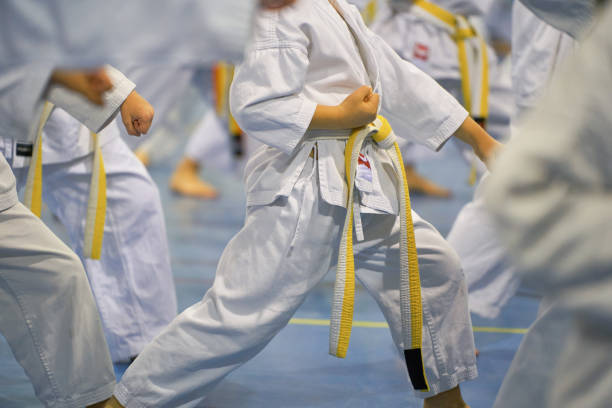
Karate practice with yellow belt in group training

Mental health plays a critical role in determining an athlete’s performance. While physical fitness and skill development are often the primary focus, the psychological well-being of athletes can significantly influence their ability to succeed in both training and competition. Neglecting this aspect can lead to challenges such as burnout, poor decision-making, or reduced motivation.

The Role of Mental Health in Athletic Performance

  • Focus and Concentration: A healthy mind allows athletes to remain fully engaged during high-pressure moments.
  • Emotional Regulation: Managing stress, frustration, or anxiety is vital for maintaining composure during competition.
  • Motivation: A positive mental state enhances an athlete’s drive to practice consistently and push through challenges.
  • Decision-Making: Mental clarity allows athletes to make split-second decisions confidently during games or events.

When mental health is compromised, these foundational aspects of performance may falter, leading to subpar outcomes.

Common Psychological Challenges Among Athletes

Challenge Description
Anxiety Fear of failure or underperforming during competitions.
Depression Prolonged feelings of sadness or hopelessness triggered by injuries, setbacks, or pressure.
Burnout Physical and emotional exhaustion resulting from overtraining or lack of balance.
Perfectionism Unrealistic self-expectations that increase stress levels when performance falls short.

Signs That Mental Health May Be Affecting Performance

  1. Declining performance despite consistent training effort.
  2. Withdrawal from teammates or social interactions.
  3. Increased irritability, frustration, or mood swings.
  4. Difficulty focusing during practices or competitions.
  5. Loss of motivation or interest in sports-related activities.

By learning to identify these indicators, coaches, teammates, and support staff can foster environments where athletes feel safe discussing their struggles.

The Interconnection Between Physical Health and Mental Well-Being

  • Injury Recovery: Mental resilience helps athletes navigate long rehabilitation periods while staying optimistic about recovery timelines.
  • Stress Management: Regular exercise releases endorphins that naturally improve mood; however, excessive physical strain without rest can have the opposite effect.
  • Sleep Quality: Psychological distress often disrupts sleep patterns essential for physical recovery and peak cognitive function.

Athletes must adopt balanced approaches that prioritize both physical preparation and psychological care.

Understanding how mental health impacts athletic performance highlights the need for open dialogue around this critical issue within sports communities—an integral step toward fostering healthier environments where players thrive both on and off the field.

How Athlete Performance Coaching McLean VA Can Inspire and Motivate Others Through Personal Mental Health Stories

Sharing personal mental health stories has the power to create meaningful connections, reduce stigma, and foster a supportive environment. When athletes and performers open up about challenges they have faced, their narratives serve as a source of inspiration for others who might be struggling in silence. This practice can build resilience not only among individuals but within entire communities, encouraging conversations that promote growth and understanding.

The Power of Vulnerability

Being vulnerable is often perceived as a weakness in competitive environments. However, sharing personal experiences with mental health struggles demonstrates strength and courage. By embracing vulnerability:
It normalizes mental health challenges: Many individuals feel isolated in their struggles. Hearing similar stories can help them realize they are not alone.
It builds trust: Authentic stories resonate deeply, creating trust among peers, audiences, or teammates.
It inspires action: Listening to how someone overcame obstacles can motivate others to seek help or adopt positive coping strategies.

Real-Life Examples of Impactful Storytelling

Athlete/Performer Mental Health Challenge Outcome/Impact
Simone Biles Anxiety during competition Advocated for prioritizing self-care over pressure
Michael Phelps Depression and suicidal thoughts Raised awareness through campaigns like Talkspace
Naomi Osaka Social anxiety Opened dialogue on press pressures in sports

These examples show that sharing struggles does not diminish greatness—it enhances it by showing the full spectrum of human experience.

Encouraging Others to Share Their Stories

  1. Lead by example: Team leaders or coaches can start by sharing relevant experiences in safe spaces.
  2. Create open forums: Host team discussions or workshops on mental wellness to make it easier for others to speak up.
  3. Offer anonymized platforms: Develop initiatives like anonymous surveys or journals where individuals can express themselves freely without fear of judgment.
  4. Incorporate storytelling into training programs: Include lessons from well-known figures who have successfully navigated mental health challenges.

The Ripple Effect of Sharing Stories

When someone shares their journey honestly, it creates a ripple effect that benefits both the individual storyteller and the wider audience. Storytelling enhances dialogue around difficult topics, reduces stigma surrounding mental health issues, and inspires positive action within communities.

By breaking down barriers through shared experiences, athletes and performers take an essential step toward creating an inclusive culture where everyone feels supported to achieve their best—both mentally and physically.

How Performance Psychology in McLean VA Can Inspire and Motivate Others

Mental health remains a topic that is often underserved in the world of performance psychology. However, sharing personal mental health stories has the power to inspire resilience, break stigma, and motivate others to prioritize their well-being. This section dives into why storytelling matters and how it can create a ripple effect of positive change.

The Power of Personal Stories in Breaking Stigma

  • Normalize conversations around topics such as anxiety, depression, or burnout.
  • Show others that success is achievable despite mental health challenges.
  • Encourage others to seek help by modeling vulnerability and strength.

For example, when prominent athletes like Simone Biles or Kevin Love share their battles with mental health, it resonates deeply because audiences see them as both successful and real. Their openness challenges misconceptions that equate vulnerability with weakness.

Creating a Sense of Community Through Shared Experiences

  • Provide individuals with validation for their emotions and experiences.
  • Help people feel less isolated in their journeys.
  • Encourage collaborative problem-solving by exchanging coping strategies.
Before Storytelling After Storytelling
Feelings of isolation A sense of belonging
Fear of judgment Empathy from peers
Reluctance to seek help Confidence in accessing resources

Inspiring Action Toward Growth

  1. Seek professional support where needed.
  2. Adopt healthier coping mechanisms.
  3. Set realistic goals for balancing performance and self-care.
  4. Build resilience through mindful practices or mentorship.

For example, an athlete discussing how therapy helped them manage pressure might encourage others to explore similar avenues without hesitation.

Tips for Effectively Sharing Mental Health Stories

  • Be Authentic: Speak honestly while maintaining boundaries; not every detail needs disclosure.
  • Focus on Growth: Emphasize lessons learned rather than solely dwelling on struggles.
  • Include Resources: Share tools or methods that worked (e.g., meditation apps, professional counseling).
  • Protect Privacy: Respect your limits and avoid oversharing beyond comfort zones.

Sharing personal mental health stories is more than an act of courage—it’s a way to drive change by fostering empathy, inspiring perseverance, and encouraging collective efforts toward mental wellness among performers worldwide.

How a Sports Psychologist McLean VA Can Help You Achieve Peak Performance

Mental health plays a pivotal role in determining an individual’s ability to perform at their best, whether on the field, in the workplace, or in personal pursuits. While physical fitness and skill development are commonly emphasized, mental well-being is equally critical for sustainable peak performance. Ignoring mental health can lead to burnout, decreased focus, and even long-term setbacks. Here’s an exploration of why mental health is integral to achieving excellence.

The Link Between Mental Health and Performance

A healthy mind drives optimal performance by enabling:
Focus: A calm and centered mind supports sustained concentration during high-pressure situations.
Decision-Making: Strong mental health fosters clarity and rational thinking, crucial for making quick yet effective decisions.
Resilience: Mental wellness equips individuals with the tools to bounce back from setbacks or failures with greater ease. – Motivation: Positive mental states help maintain intrinsic drive toward goals over time.

Benefits of Prioritizing Mental Health

  • Enhanced emotional regulation during high-stake events.
  • Greater adaptability when faced with unexpected challenges or changes in plans.
  • Improved collaboration skills stemming from better interpersonal relationships.
  • Longevity in their careers without succumbing to burnout or chronic stress-related issues.

Strategies for Supporting Mental Health in Performers

  1. Establish a Routine: Consistent sleep schedules, balanced nutrition, and structured daily activities can stabilize mood and energy levels.
  2. Practice Mindfulness Techniques: Engaging in practices like meditation or breathing exercises can reduce stress while improving focus.
  3. Seek Professional Support: Collaborating with a psychologist or counselor specialized in performance psychology provides tailored strategies for improvement.
  4. Foster Social Connections: Building strong relationships within teams creates a support system during challenging times.
  5. Engage in Self-Care Activities: Taking time for hobbies or relaxation boosts overall mood and productivity.

Striving for peak performance without addressing the core aspects of mental well-being often leads to unsustainable progress over time. By acknowledging the significance of psychological health as part of an overall success strategy, individuals position themselves not only to excel but also to enjoy long-lasting fulfillment from their achievements.

Athlete performing speed drills on agility ladder.

Practical Ways to Get Involved in Promoting Mental Wellness Among Performers

Promoting mental wellness among performers is essential for fostering an environment that supports both their personal growth and professional success. Here are actionable strategies and methods to get involved in this effort.

Educate Yourself and Others

Understanding the connection between mental health and performance is crucial for creating awareness. Consider these steps: – Attend workshops or seminars focused on mental wellness in performance settings. – Read research-based literature on the psychology of performance and mental health. – Host discussions or webinars to share knowledge and insights with your community.

By becoming informed, you can play a key role in breaking down stigma while providing valuable information to others.

Create Supportive Spaces

A safe, supportive environment can significantly contribute to an individual’s mental well-being. To foster such spaces: – Encourage open communication where performers feel comfortable sharing their experiences. – Develop mentorship programs that pair experienced individuals with those seeking guidance. – Introduce “mental health check-ins” as part of regular team or group meetings.

Supportive spaces empower performers to seek help without fear or hesitation, contributing to better resilience and overall performance.

Advocate for Mental Health Resources

Advocacy plays an essential role in ensuring performers have access to the right tools for their well-being. Ways you can advocate include: 1. Donating time or funds: Partner with organizations providing counseling and support services specifically tailored for performers. 2. Collaborating with industry leaders: Work together to incorporate mental wellness initiatives into organizational policies. 3. Lobbying for systemic change: Advocate for accessible insurance coverage that includes mental health services.

These efforts demonstrate active commitment to addressing mental health challenges within performance-oriented environments.

Incorporate Wellness Practices into Daily Routines

Encouraging practical, everyday habits improves overall well-being. Examples of wellness practices include: – Mindfulness exercises such as meditation or deep breathing techniques. – Regular physical activity tailored to reduce stress, like yoga or swimming. – Journaling thoughts and emotions as a form of reflection and emotional release.

Promoting these small but impactful changes can help performers manage stress more efficiently while enhancing focus and motivation.

Partner with Mental Health Professionals

Collaborating with trained psychologists, counselors, or therapists ensures access to expert guidance. Steps you can take include: – Bringing professionals into workshops or training sessions. – Offering subsidized counseling services through partnerships with clinics. – Sharing directories of certified practitioners specializing in performance psychology.

This professional collaboration ensures that performers receive specialized care when needed.

Track Progress Through Metrics

Tracking progress fosters accountability while driving meaningful improvements over time.

By implementing these strategies, you’re actively contributing toward a healthier, more supportive culture that prioritizes the mental wellness of all involved in high-performance environments.

Connecting with Resources to Enhance Mental Strength and Resilience

In the pursuit of peak performance, mental strength and resilience are crucial. Athletes and performers often face intense pressures, from demanding schedules to public scrutiny. Having access to the right resources can make a significant difference in maintaining mental health and optimizing performance. Below are key strategies and tools for building resilience and enhancing mental strength.

Professional Support

One of the most effective ways to enhance mental resilience is by connecting with qualified professionals who specialize in performance psychology. These experts can offer tailored interventions, strategies, and support systems.

  • Sports Psychologists
    Sports psychologists focus on helping athletes manage stress, build confidence, and stay focused under pressure. They use evidence-based techniques such as visualization, goal-setting strategies, and cognitive-behavioral therapy (CBT).

  • Therapists or Counselors
    General therapists can help address underlying mental health concerns like anxiety or depression that may impact performance. They provide a safe space for individuals to work through personal challenges.

  • Performance Coaches
    Performance coaches blend psychological techniques with training regimens to maximize overall potential.

Digital Tools

  1. Calm or Headspace: Focused on mindfulness meditation techniques to reduce stress.
  2. BetterHelp: Connects users with licensed therapists online.

  3. Wearable Devices
    Wearables such as WHOOP or Oura Ring help track sleep quality, heart rate variability (HRV), and recovery – all critical for physical and psychological well-being.

  4. Online Communities
    Platforms like forums or social media groups allow performers to share experiences with peers who face similar challenges.

Structured Programs

Program Type Benefits Examples
Mindfulness Training Improves focus; reduces anxiety Mindful Sports Performance
Stress Management Teaches coping mechanisms Stress Inoculation Therapy
Resilience Workshops Builds long-term psychological skills Bounce Back Coaching Programs

Self-Care Practices

  • Physical Activity: Regular exercise positively impacts mood through endorphin release.
  • Sleep Hygiene: Prioritizing sleep allows the brain to recover from daily stressors.
  • Nutrition: Proper diet fuels both body and mind for optimal functioning.

Leveraging Social Support Networks

Connecting with teammates, friends, family members, or mentors fosters a sense of belonging and emotional security during challenging times.

By combining professional guidance with self-help strategies like utilizing technology or peer networks, performers can create an environment conducive to achieving their goals while maintaining robust mental health.


Enhance Your Mental Game: Athlete Performance Coaching McLean VA Shares 5 Key Strategies for Peak SuccessEnhance Your Mental Game: Athlete Performance Coaching McLean VA Shares 5 Key Strategies for Peak Success

istockphoto-2224605636-612×612

The concept of mental toughness is a cornerstone of success in sports. Mentally tough athletes are not just physically skilled; they also rely on psychological strategies to perform under pressure while remaining focused and resilient. Here are five key strategies that mentally tough athletes use to train their minds for peak performance.

1. Goal Setting and Visualization

  • Outcome Goals: Long-term objectives that reflect the ultimate result they want to achieve (e.g., winning a championship).
  • Process Goals: Short-term, actionable steps that build toward the outcome goal (e.g., improving daily workout consistency).
Visualization Focus Purpose
Imagining race-day performance Prepares the mind for high-pressure situations
Visualizing technical perfection in practice drills Enhances muscle memory and precision

2. Harnessing Emotional Regulation

Athletes who excel under pressure regulate their emotions effectively. Emotional regulation strategies include:
Breathing techniques to calm nerves before competition.
Cognitive reframing, where they reinterpret challenges positively (e.g., switching from “I’m nervous” to “I’m excited”).
– Using mindfulness training to stay present instead of dwelling on mistakes or worrying about outcomes.

This emotional control prevents reactive behaviors and allows them to remain composed in high-stakes moments.

3. Building Resilience Through Adversity Training

Resilience is often forged through adversity, and mentally tough athletes actively seek opportunities to strengthen this skill:
– Engaging in drills or exercises designed for discomfort, such as practicing in unfavorable conditions (e.g., heat, altitude).
– Learning from failure by analyzing mistakes objectively rather than emotionally. – Focusing on overcoming small setbacks consistently, which builds confidence in handling larger challenges over time.

4. Developing Focus and Concentration Skills

Distractions can undermine peak performance, so mentally strong performers train their ability to concentrate deeply during competition and practice: – Using tools like meditation or focus exercises to improve attention span. – Practicing routines or rituals before competitions that signal the brain it’s time to concentrate. – Limiting external distractions by visualizing a “mental bubble” where they hone in only on controllable variables.

5. Cultivating Positive Self-Talk

Self-talk plays a vital role in shaping an athlete’s mindset during critical moments: – They replace negative thoughts with constructive affirmations (e.g., “I’ve prepared well” instead of “I’m not ready”). – During setbacks, they use self-compassionate language while reinforcing belief in future improvement.

Athletes might create a list of empowering phrases or mantras tailored specifically for their sport.

By combining these strategies consistently over time, mentally tough athletes build an unshakable psychological foundation that supports physical excellence under pressure.

Unlocking the Mental Edge: Exploring Performance Psychology McLean VA for Athletes

Athletes at the top of their field often possess more than just physical talent. While physical training, strategy, and skills are critical, what sets mentally strong athletes apart is their psychological approach to performance. These individuals harness the power of mental toughness, focus, and resilience to consistently perform under pressure. Below is an exploration of key factors that define the “mental edge” in elite performers.

Characteristics of Mentally Strong Athletes

  • Emotional Regulation: The ability to remain calm and composed during high-pressure situations while managing stress effectively.
  • Focus and Concentration: Mentally strong performers maintain focus on relevant tasks, avoiding distractions from external or internal sources such as crowd noise or self-doubt.
  • Adaptability: Flexibility to adjust strategies or tactics in response to unexpected challenges without losing confidence.
  • Self-Belief: A deep conviction in their abilities even when faced with setbacks or failures.
  • Resilience: The capacity to recover quickly from losses or injuries and come back stronger.

How Mentally Strong Athletes Differ

Trait Mentally Strong Athlete Less Resilient Athlete
Response to Pressure Thrives under pressure Crumbles under stress
Focus on Mistakes Learns and moves forward Dwells on errors
Goal Setting Sets challenging but realistic goals Fails to establish clear objectives
Mindset Growth-oriented Fixed mindset

Strategies That Build Mental Strength

  1. Successful athletes engage in mental rehearsal by imagining themselves succeeding in specific scenarios (e.g., hitting a game-winning shot).
  2. Visualization reduces anxiety and enhances confidence by familiarizing the brain with success patterns.

  3. Incorporating mindfulness into daily practice helps athletes stay present during competition, improving decision-making and concentration.
  4. Techniques such as mindful breathing or body scanning can reduce pre-performance nerves.

  5. Replacing negative thoughts (“I can’t do this”) with affirming statements (“I’ve prepared for this moment”) strengthens mental resilience.
  6. Creates a foundation of self-confidence that sustains performance during challenges.

  7. Grit combines passion and perseverance toward long-term goals despite obstacles.
  8. This attribute is often developed through consistent practice, incremental goal-setting, and learning to embrace discomfort.

  9. Reviewing performances—both successes and failures—helps identify areas for improvement while maintaining a growth-focused mindset.
  10. Constructive feedback from coaches or peers fosters continuous learning.

The Role of Emotional Control

One major component of a mental edge is the ability to regulate emotions effectively. High-pressure situations can lead to frustration, anger, or fear if emotional control is lacking. Techniques like deep breathing exercises, journaling thoughts post-event, or progressive muscle relaxation are used by many elite athletes as part of their routine preparation for peak performance.

Understanding what sets mentally strong performers apart reveals that mental toughness is not simply innate—it can be trained over time with consistent effort using proven psychological methods. While physical preparation equips an athlete’s body for performance, it is their mind that often determines how far they go in achieving excellence.

Unlocking Peak Performance with a Sports Psychologist in McLean VA

Achieving peak performance in sports requires not only physical strength and technical skills but also a strong mental edge. Mentally tough athletes possess unique traits and habits that differentiate them from their peers. This mental fortitude enables them to excel in high-pressure situations, recover from setbacks, and consistently perform at their best. Below is an exploration of the components that define mentally strong performers and actionable insights for developing these qualities.

Characteristics of Mentally Strong Athletes

  • Resilience: The ability to recover quickly from failures or mistakes.
  • Focus: Maintaining concentration on the task at hand despite distractions or pressure.
  • Self-Belief: Confidence in their abilities regardless of external circumstances.
  • Emotional Regulation: Managing stress, anxiety, and excitement to stay composed under pressure.
  • Adaptability: Adjusting strategies and mindsets as situations evolve.

These attributes form the foundation of the mental edge in athletics, enabling athletes to thrive in demanding environments.

Key Psychological Strategies Used by Mentally Tough Performers

  1. Mentally strong athletes set clear, measurable goals that guide their actions.
  2. They focus on both short-term objectives (e.g., improving a specific skill) and long-term ambitions (e.g., winning a championship).

  3. Techniques like meditation, breathing exercises, or body scans help them stay present in the moment.
  4. This fosters greater self-awareness and reduces the impact of external pressure.

  5. Athletes mentally rehearse scenarios such as executing a perfect play or overcoming challenges during competition.
  6. Visualization helps build confidence by creating a sense of familiarity with high-pressure situations.

  7. They use affirmations or motivational statements to counter self-doubt or negative thoughts.
  8. For example, replacing “I can’t handle this” with “I am prepared for this challenge” can shift mindset profoundly.

  9. Rituals such as listening to music, stretching consistently, or repeating specific phrases help create focus before competing.
  10. These routines serve as cues for entering a peak performance state.

How Mental Strength Impacts Performance

Factors Impact
Decision-Making Enhanced focus leads to faster, more accurate decisions under stress
Coping with Pressure Better regulation of emotions minimizes mistakes in critical moments
Motivation A resilient mindset sustains effort during challenging periods
Team Dynamics Emotional control fosters better communication and collaboration

Actionable Steps for Developing Mental Toughness

  • Practice daily mindfulness exercises or meditation sessions (10–15 minutes).
  • Review performances objectively to identify areas for improvement without self-criticism.
  • Seek feedback from coaches or mentors regularly for guidance on mindset development.
  • Commit to journaling about successes, setbacks, and learning opportunities after each practice session.

By cultivating these practices consistently over time, athletes can build the mental resilience necessary to excel not only in sports but in other areas of life as well. Understanding what sets mentally strong performers apart offers valuable lessons for anyone striving toward peak achievement.

Commitment as the Foundation of Mental Toughness in High-Pressure Environments

Commitment is one of the most critical elements that underpins mental toughness, particularly in high-pressure environments. Whether it’s athletes competing on a global stage, executives navigating complex decisions, or teams striving for excellence, commitment acts as both a stabilizing force and a driving motivator. Below, we explore how commitment forms the foundation of mental toughness and how individuals can cultivate it to thrive under stress.

The Role of Commitment in Mental Toughness

Commitment refers to an individual’s ability to remain dedicated to their goals despite challenges, setbacks, or external pressures. It enables individuals to:
– Stay focused during uncertainty and adversity.
– Develop resilience through consistent effort.
– Maintain motivation even when results are delayed or progress is slow.

In high-pressure environments where outcomes are often unpredictable, commitment ensures that individuals persevere through challenges rather than giving in to stress or fear.

How Commitment Strengthens Mental Toughness

  1. Improved Focus Under Pressure:
    Commitment provides clarity that reduces distractions during critical moments. Mentally tough performers are less likely to waver due to external criticism or temporary setbacks because their focus remains anchored on their ultimate objectives.

  2. Resilience Through Challenges:
    Committed individuals view obstacles as opportunities for growth rather than insurmountable barriers. This mindset fosters resilience, which is a cornerstone of mental toughness.

  3. Enhanced Self-Belief:
    Regularly committing to goals builds confidence over time as achievements accumulate from sustained effort.

  4. Sustained Motivation:
    Strong commitment prevents burnout by reinforcing why the objective matters deeply on both personal and professional levels.

Strategies for Building Commitment

  • Define Your “Why”: Have a clear understanding of why your goal matters personally and professionally.
  • Set SMART Goals: Use Specific, Measurable, Achievable, Relevant, Time-bound objectives to create structure for your ambitions.
  • Break Goals into Milestones: Tackling goals step-by-step makes them feel more achievable.
  • Develop Accountability Systems: Share your commitments with someone who will hold you accountable.
  • Practice Self-Discipline Daily: Build habits that reinforce persistence even when motivation wanes.

Practical Approach: Visualizing Success Through Commitment

  1. Picture yourself persisting through a specific challenge (e.g., completing an intense competition).
  2. Imagine how staying committed helps you overcome roadblocks (e.g., training fatigue).
  3. Visualize the end result—achieving success because you stayed focused on your goal despite adversity.

This combination of visualization with daily habits strengthens long-term dedication over time.

Ultimately, those who view commitment not just as a duty but as an investment in themselves are better equipped to handle high-stakes situations with poise and purpose.

The Role of Negative Thinking in Undermining Mental Toughness and How to Overcome It

Negative thinking is a significant barrier to developing and maintaining mental toughness, particularly for athletes and high performers. It can erode confidence, hinder focus, and affect decision-making during critical moments. Recognizing the impact of negative self-talk and adopting strategies to counter it is essential for sustainable performance improvement.

How Negative Thinking Impacts Mental Toughness

Negative thinking manifests in various ways, including self-doubt, fear of failure, or excessive rumination. These thought patterns can:
Create self-imposed limitations: Negative thoughts often magnify perceived challenges, making tasks or goals seem insurmountable.
Reduce focus: Dwelling on negative outcomes distracts attention from the task at hand. This loss of focus is detrimental in high-stakes situations where mental clarity is crucial.
Undermine confidence: Frequent engagement with negative thoughts diminishes an athlete’s belief in their abilities, which can lead to a downward spiral in performance over time.

Impact of Negative Thinking Effect on Performance
Self-doubt Hesitation during key moments
Rumination Reduced ability to stay present
Fear of failure Increased anxiety under pressure

Strategies to Overcome Negative Thinking

  1. Cognitive Restructuring: This technique involves identifying irrational or overly critical thoughts and replacing them with balanced, fact-based alternatives. For instance:
  2. Replace “I always mess up under pressure” with “I’ve succeeded under pressure before; I just need to focus.”

  3. Practicing Mindfulness: Mindfulness helps individuals become aware of their thoughts without judgment. Regular mindfulness practice enables athletes to acknowledge negativity without being consumed by it.

  4. Self-Affirmation Exercises: Use positive affirmations grounded in reality to counterbalance negativity:

  5. “I am prepared for this challenge.”
  6. “I have the skills required to succeed.”

  7. Visualization Techniques: Envisioning success reinforces positive expectations and minimizes the mental space occupied by doubts or fears.

  8. Goal-Oriented Thought Patterns: Shift attention from potential failures toward actionable steps that lead closer toward objectives:

  9. Instead of focusing on “What if I fail?”, consider “What actions will help me perform my best?”

Building Long-Term Mental Resilience Against Negativity

To maintain resilience against negative thinking over time, incorporate these habits into daily routines: – Regular journaling about accomplishments and personal strengths. – Engaging a coach or mentor for feedback on mindset development. – Setting small incremental goals that build confidence through measurable progress.

By understanding how negativity undermines mental toughness and applying targeted strategies for overcoming it, athletes can build a more resilient mindset that sustains peak performance even in challenging environments.

istockphoto-2222927588-612×612

How McLean VA sports psychology counseling Can Help Build Mental Toughness for Success in Sports and Beyond

Mental toughness is often perceived as an innate characteristic, but research in performance psychology suggests it can be cultivated through deliberate practice and targeted strategies. Athletes, business professionals, and individuals in high-pressure environments can benefit significantly from training their mental resilience. Here’s a detailed exploration of how mental toughness can be effectively trained.

Understanding Mental Toughness

  • Emotional regulation: Managing stress and maintaining composure under pressure.
  • Self-belief: Confidence in one’s skills and abilities to achieve goals.
  • Focus: The capacity to remain concentrated on tasks despite distractions.
  • Perseverance: Sustained effort toward long-term objectives despite obstacles or fatigue.

Training mental toughness requires addressing these core components through structured techniques.

Strategies for Building Mental Toughness

  1. Goal Setting with Intentional Focus
    Clear and achievable goals provide direction and motivation. Break goals into smaller milestones to track progress consistently. Ensure they are SMART (Specific, Measurable, Achievable, Relevant, Time-bound) to maintain focus and prevent feelings of overwhelm.
Goal Type Example Target Date Progress Evaluation
Short-term Goal Improve 5K time by 2 minutes 4 weeks Weekly timing records
Skill Development Master a new technical skill 3 months Competency tests
Long-term Objective Qualify for regional championships 12 months Competition benchmarks
  1. Visualization & Mental Rehearsal
    Elite performers use visualization techniques to mentally practice scenarios before they occur. Create vivid images of success or rehearse overcoming potential challenges. This primes the mind to respond effectively under pressure.

  2. Controlled Exposure to Stressors
    Gradually introduce controlled stress into training environments to desensitize yourself to performance anxiety or high-pressure situations (e.g., timed drills or public speaking).

  3. Mindfulness Training
    Practicing mindfulness helps develop greater self-awareness and emotional control. Techniques such as meditation or deep breathing improve your ability to regroup after setbacks.

  4. Learning from Failure Over Time
    Mentally tough individuals view failure not as a stopping point but as a learning opportunity. Develop a habit of analytical reflection after challenging experiences:

  5. Identify what went wrong.

  6. Assess what could have been done differently.
  7. Implement changes based on lessons learned.

Additional Techniques for Everyday Application

  • Journaling Progress: Daily reflections help track emotional responses during training or competition.
  • Positive Self-Talk: Replace negative inner dialogue with affirmations like “I am capable” or “I’ve prepared well.”
  • Resilience-Building Activities: Engage in activities outside your comfort zone regularly (e.g., trying new sports or hobbies).

The Interplay Between Sports & Life Applications

Domain Example Scenario Application of Mental Toughness
Workplace Managing tight deadlines Focused goal-setting
Education Preparing for exams Visualization & practice
Personal Life Overcoming significant setbacks Emotional regulation

By integrating these strategies into everyday routines—whether on the field or off—individuals can cultivate resilience that drives sustained performance under pressure.

Creating a Resilient Workplace Culture with Psychological Strategies for Optimal Team Performance

Building a resilient workplace culture is essential for optimizing team performance, particularly in environments where high-pressure situations are the norm. By using psychological strategies rooted in performance psychology, you can strengthen individual and team resilience, leading to improved decision-making, collaboration, and overall productivity. Below are evidence-based approaches to fostering resilience in your organization.

1. Foster Psychological Safety

  • Encourage open communication and feedback.
  • Avoid penalizing mistakes; instead, treat them as learning opportunities.
  • Recognize and reward efforts toward innovation and creativity.

Impact:
| Benefits of Psychological Safety | Description | |————————————————–|———————————————| | Enhanced Collaboration | Team members feel confident sharing ideas. | | Better Problem Solving | Mistakes are treated as pathways to growth. | | Reduced Stress | Employees feel supported during challenges.|

2. Promote Growth Mindset Thinking

A growth mindset emphasizes the belief that abilities can be developed through dedication and effort. This perspective is vital in overcoming setbacks and building resilience across teams.

How to cultivate a growth mindset: – Celebrate progress over perfection. – Provide opportunities for continuous learning and skill development. – Frame challenges as stepping stones rather than obstacles.

Example: Instead of focusing solely on outcomes (e.g., meeting quotas), highlight improvement metrics such as enhanced collaboration or skill mastery.

3. Build Emotional Agility

Emotional agility enables individuals to navigate complex emotions effectively without becoming overwhelmed or reactive.

Steps to enhance emotional agility: – Teach mindfulness techniques such as focused breathing or meditation. – Encourage reflection practices like journaling. – Train employees in recognizing cognitive distortions (e.g., catastrophizing) and replacing them with balanced perspectives.

For example, training staff on how to pause before reacting emotionally during conflicts fosters healthier interpersonal dynamics.

4. Develop Effective Communication Channels

Clear communication cultivates trust while reducing ambiguity in expectations—a critical factor during high-pressure scenarios.

Strategies include: – Implementing structured check-ins between managers and teams. – Utilizing collaborative tools (e.g., Slack, Asana) for seamless information sharing. – Offering training sessions on conflict resolution techniques.

When communication flows openly across hierarchies, it reinforces confidence among employees while minimizing misunderstandings that hinder productivity.

5. Prioritize Work-Life Balance

Resilient organizations acknowledge the importance of maintaining employee well-being outside the workplace.

To support work-life balance: – Offer flexible working arrangements when feasible. – Encourage regular breaks for mental recovery throughout the day. – Provide wellness programs focused on stress management techniques like yoga or counseling services.

When employees feel their personal lives are respected alongside professional demands, engagement levels naturally increase over time.

Key Takeaways

  1. Psychological safety drives trust and innovation.
  2. A growth mindset empowers individuals to embrace change positively.
  3. Emotional agility equips staff with tools for navigating challenges effectively.
  4. Strong communication frameworks create alignment within teams.
  5. Work-life balance ensures sustained motivation and well-being.

These foundational principles promote greater adaptability within organizations while setting the stage for long-term success in competitive environments.


Elevate Your Game with Athlete Performance Coaching McLean VAElevate Your Game with Athlete Performance Coaching McLean VA

istockphoto-955123248-612×612

Sport psychology is a critical aspect of performance development for athletes seeking to excel in their respective fields. It is the study of how psychological factors influence sports performance and how participation in sports affects mental health and well-being. Understanding and applying sport psychology principles can elevate an athlete’s game by improving mental toughness, focus, and resilience.

The Core of Sport Psychology

  • Mental Preparation: Training the mind for competition through visualization, goal setting, and pre-performance routines.
  • Emotional Regulation: Managing stress, anxiety, or frustration during training or competition.
  • Focus Development: Building attention control to maintain focus on relevant tasks despite distractions.
  • Resilience Training: Preparing athletes to recover quickly from setbacks or failures.

Benefits of Sport Psychology for Athletes

Benefit Impact on Performance
Improved Confidence Greater belief in abilities under pressure
Enhanced Focus Better concentration during competition
Stress Reduction Lower anxiety levels before/during events
Increased Motivation Encouragement to persevere toward goals

These improvements contribute to achieving peak performance in both individual and team contexts.

Techniques for Unlocking Peak Performance

  • Visualization: Mentally rehearsing successful outcomes helps build confidence and reduces uncertainty. For example, picturing a perfect swing in golf or landing a flawless routine in gymnastics can prepare the brain for actual execution.
  • Mindfulness Exercises: Practicing mindfulness enhances present-moment awareness and reduces distractions caused by past or future worries.
  • Short-term goals: Focused on immediate tasks (e.g., improving sprint start times this week).
  • Long-term goals: Aimed at broader achievements (e.g., qualifying for regional championships).
  • Breathing Techniques: Controlled breathing lowers heart rate and helps athletes stay calm under pressure during critical moments.

Common Myths About Sport Psychology

  1. Myth: It’s only for elite athletes.
  2. Reality: Athletes at all levels can benefit from understanding their mental game.
  3. Myth: It’s a quick fix for poor performance.
  4. Reality: Mental skills training requires consistent practice and time investment.
  5. Myth: Emotions should be ignored during competition.
  6. Reality: Acknowledging emotions allows athletes to better manage them without hindering focus.

Sport psychology empowers individuals with tools to master their mindset, enabling them not just to compete but also thrive under challenging conditions while maintaining long-term well-being as they pursue their athletic goals.

Enhancing Mental Toughness Through McLean VA Sports Psychology Counseling
Mental toughness is a cornerstone of performance psychology, acting as a determining factor in how athletes and performers respond to challenges, setbacks, and pressure. It is not merely about resilience but encompasses a broader set of psychological traits that enable individuals to excel under demanding circumstances. Below, we delve into the principles of mental toughness and its role in achieving peak performance.

Exploring Performance Psychology in McLean VA: Key Components of Mental Toughness

  1. The belief in one’s ability to execute tasks successfully.
  2. A crucial driver for taking risks and maintaining composure under pressure.

  3. The capacity to manage emotions like anxiety, frustration, or disappointment.
  4. Helps prevent emotional states from impairing performance.

  5. The ability to concentrate on the present task without distraction.
  6. Essential for minimizing errors and remaining task-oriented.

  7. The skill of bouncing back from adversity or failure.
  8. Encourages perseverance through setbacks.

  9. A deep internal trust in personal abilities despite external uncertainties.
  10. Fuels sustained motivation during challenging times.
Component Description Importance
Confidence Believing in your capacity to succeed Builds risk-taking ability
Emotional Control Managing emotions effectively Reduces stress-induced mistakes
Focus Maintaining concentration amidst distractions Enhances task efficiency
Resilience Recovering quickly from difficulties Encourages persistence
Self-Belief Trusting your skills even when facing doubt Promotes long-term motivation

Building Mental Toughness with a Sports Psychologist McLean VA

  • Visualization: Imagining success in vivid detail helps condition the mind for positive outcomes.
  • Goal Setting: Establishing clear and measurable objectives provides direction and focus.
  • Reframing Negative Thoughts: Replacing self-doubt with constructive affirmations fosters optimism.
  • Stress Management Techniques: Practices like mindfulness and controlled breathing reduce anxiety under pressure.
  • Deliberate Practice: Consistently working on weaknesses while embracing discomfort strengthens resilience.

The Role of Mental Toughness in Sports

  • Consistency across varying environmental conditions (e.g., hostile crowds or unfavorable weather).
  • Improved decision-making during critical moments due to controlled emotions.
  • The ability to maintain confidence after errors or poor performances.

Practical Applications for Coaches and Athletes

  1. Providing constructive feedback instead of criticism.
  2. Setting progressively challenging tasks that push comfort zones safely.
  3. Encouraging reflection on both successes and areas for improvement.

Athletes themselves can actively cultivate their own mental fortitude by practicing self-awareness, seeking mentorship, and embracing disciplined routines.

By understanding these principles—and integrating them into training regimens—athletes can unlock greater levels of consistency, adaptability, and success throughout their careers.

The Role of Focus and Motivation in Enhancing Athletic Performance

Focus and motivation are critical components of athletic success. While physical training is essential for building strength, speed, and endurance, mental skills such as maintaining focus under pressure and sustaining motivation over time often distinguish elite athletes from the rest. This section explores how focus and motivation contribute to performance enhancement, alongside practical strategies to develop these attributes.

Understanding Focus in Athletics

Focus is the ability to concentrate on relevant tasks while filtering out distractions. For athletes, this means staying mentally engaged in the present moment—whether planning a race strategy or performing a complex skill under pressure.

  • Selective Attention: Prioritizing task-relevant cues (e.g., focusing on your breathing before a free throw).
  • Sustained Attention: Maintaining concentration over extended periods, especially in endurance events.
  • Situational Awareness: Understanding your environment to make quick decisions (e.g., reading an opponent’s play).
Common Factors that Disrupt Focus:
  • External distractions like crowd noise or weather conditions.
  • Internal distractions such as self-doubt or overthinking past mistakes.
  • Fatigue or lack of preparation.

Practical Tips for Improving Focus: 1. Visualization Techniques: Mentally rehearse scenarios to prepare for optimal decision-making during competition. 2. Mindfulness Practices: Incorporate meditation or breathing exercises into your routine for better control over your thoughts. 3. Pre-performance Routines: Develop a structured pre-game ritual that signals your brain it’s time to concentrate.

The Power of Motivation in Athletic Success

Motivation drives an athlete’s commitment to training and competition goals. It provides the energy necessary to overcome challenges, push beyond limits, and maintain discipline when progress feels slow.

Motivation can be broadly categorized into two types: 1. Intrinsic Motivation: Driven by internal rewards like personal satisfaction or the love of the sport. 2. Extrinsic Motivation: Fueled by external factors such as trophies, recognition, or financial incentives.

How Lack of Motivation Impacts Performance:
Symptom Example
Reduced Effort Skipping key training sessions or giving less than 100%.
Increased Procrastination Delaying practice due to lack of short-term goals.
Emotional Burnout Feeling overwhelmed without clear purpose in training/playing.

Strategies to Cultivate Long-lasting Motivation

  1. Set SMART Goals: Goals should be Specific, Measurable, Achievable, Relevant, and Time-bound.
  2. Celebrate Small Wins: Recognize incremental improvements as stepping stones toward larger achievements.
  3. Build a Support Network: Surround yourself with coaches and peers who encourage growth.
  4. Revisit Your “Why”: Reflect on personal reasons behind pursuing athletics during periods of low drive.

By intertwining focus with strong motivational practices, athletes can optimize their mental preparation for high-pressure situations and deliver consistent performances on any stage.

The Role of Focus and Motivation in Enhancing Athletic Performance

Focus and motivation are two critical pillars of performance psychology that directly impact an athlete’s ability to achieve their full potential. By understanding and cultivating these elements, athletes can navigate challenges effectively and enhance their overall performance on and off the field.

The Importance of Focus in Athletics

Focus serves as the foundation for consistent performance. Maintaining concentration allows athletes to execute skills precisely, adapt to dynamic situations, and stay present in the moment.

  • Improved Skill Execution: Remaining present helps athletes perform complex techniques with precision.
  • Reduced Errors: Concentration limits distractions, minimizing mistakes during high-stakes moments.
  • Enhanced Decision-Making: A focused mind processes information faster, leading to better strategic choices.
  1. Mindfulness Training: Techniques like meditation or breathing exercises can help athletes stay grounded.
  2. Visual Cues: Using visual triggers (e.g., a spot on the court) can redirect attention when focus drifts.
  3. Pre-Performance Routines: Repeating a set routine before games or events reinforces mental readiness.

The Power of Motivation in Sports Psychology

Motivation drives effort, persistence, and resilience in athletes. Without it, even the most skilled individuals may struggle to perform at their highest level.

  1. Comes from internal desires such as personal growth or passion for the sport.
  2. Leads to sustained engagement and enjoyment over time.

  3. Driven by external rewards such as trophies, recognition, or financial incentives.
  4. Can be effective for short-term goals but may not sustain long-term commitment.

Linking Focus and Motivation for Peak Performance

Focus and motivation are deeply interconnected. An athlete with strong motivation is more likely to channel their energy into maintaining focus under pressure. Similarly, a high level of focus strengthens intrinsic motivation by keeping an individual engaged with immediate tasks rather than being distracted by external pressures or doubts.

Component Impact on Performance Ways to Enhance
Focus Reduces errors; sharpens decision-making Mindfulness training; pre-performance routines
Intrinsic Motivation Fuels long-term passion & commitment Goal-setting; fostering enjoyment
Extrinsic Motivation Provides short bursts of effort & reward Celebrating milestones

By actively working on developing both focus and motivation through tailored practices like mindfulness exercises, goal-setting frameworks, and structured routines, athletes can cultivate a mental edge that supports sustainable success across all levels of competition.

istockphoto-2245130176-612×612

Strategies to Overcome Mental Barriers and Improve Peak Performance

Mental barriers can be significant obstacles to reaching peak performance, whether in sports, academics, or professional settings. These psychological hurdles often stem from fear of failure, self-doubt, perfectionism, or lack of resilience. By addressing these barriers with effective strategies, individuals can unlock their full potential and achieve sustained success.

Identify and Understand Mental Barriers

  • Fear of failure: A pervasive concern about performing poorly or not meeting expectations.
  • Negative self-talk: Internal dialogues that undermine confidence and promote self-doubt.
  • Perfectionism: Unrealistic expectations that make any result seem inadequate.
  • Lack of focus: Struggling with distractions or an inability to concentrate during critical moments.

To address these effectively, one must acknowledge their existence without judgment and examine their root causes.

Develop a Growth Mindset

  1. View challenges as opportunities for improvement rather than threats.
  2. Reframe mistakes as critical learning experiences.
  3. Celebrate progress over perfection.

Adopting a growth mindset helps individuals maintain motivation and push past psychological barriers.

Techniques for Enhancing Mental Resilience

  • Visualization: Mentally rehearsing successful performance scenarios can reduce anxiety and enhance confidence.

    • Example: Visualize executing a perfect race start or delivering an impactful presentation.
  • Mindfulness practices: Techniques such as deep breathing, meditation, or grounding exercises help control stress levels and improve focus.

  • Positive affirmations: Replacing negative thoughts with constructive affirmations encourages a more optimistic outlook.

Structured Goal Setting

Type of Goal Description Example
Short-term goals Immediate objectives achievable within days/weeks Improving reaction time during training
Medium-term goals Milestones for the next few months Increasing endurance by 20% within 3 months
Long-term goals Broader ambitions spanning years Qualify for national-level competitions

Adopting the SMART framework (Specific, Measurable, Achievable, Relevant, Time-bound) ensures goals are practical and motivating.

Build Support Systems

Having a support network is vital when tackling mental barriers. This includes coaches, teammates, family members, or mentors who provide feedback and encouragement. Professional assistance from sport psychologists may also be necessary to address deeper issues like performance anxiety or burnout.

By combining self-awareness with actionable strategies such as visualization, mindfulness practices, structured goal-setting frameworks, and strong support systems, individuals can break through mental challenges to perform at their highest level consistently. Implementing these tools is not just about overcoming obstacles but also about laying the foundation for long-lasting success across multiple domains of life.