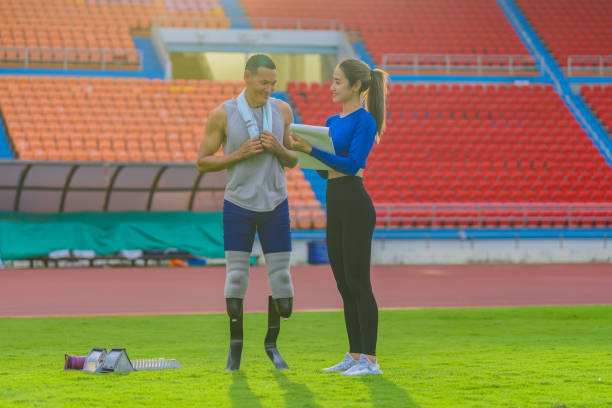
Athletic performance is not determined solely by physical ability; mental strength plays a crucial role in achieving optimal results. Advanced sports psychology techniques empower athletes to unlock their full potential, overcome psychological barriers, and maintain peak performance under pressure. Below, we explore key strategies to maximize performance using sports psychology principles.
Exploring the Role of Performance Psychology in McLean VA
- Visualization: Mentally rehearsing successful performances helps athletes create neural patterns that simulate real-life scenarios. This technique boosts confidence and prepares them for high-stakes situations.
- Mindfulness Training: Practicing mindfulness improves focus on the present moment while reducing distractions or negative thought patterns.
- Goal Setting: Establishing clear, measurable objectives fosters motivation and a sense of accomplishment as athletes progress toward their targets.
Conquer Performance Anxiety with a Sports Psychologist in McLean VA
- Cognitive Restructuring: Identifying and replacing negative self-talk with positive affirmations can transform an athlete’s mindset during preparation or competition.
- Controlled Breathing Techniques: Deep breathing exercises help reduce physiological symptoms of stress, such as rapid heart rate or muscle tension.
- Pre-Performance Routines: Establishing consistent routines before matches or events creates a sense of familiarity and control, minimizing nervousness.
| Technique | Benefit |
|---|---|
| Visualization | Builds confidence through mental rehearsal |
| Controlled Breathing | Reduces stress-related physical responses |
| Cognitive Restructuring | Promotes positive thinking patterns |
| Pre-Performance Routines | Enhances focus by creating consistency |
Enhancing Focus and Concentration
- Focus Cues – Using specific cues (e.g., keywords, gestures) helps athletes maintain concentration on critical tasks during play.
- Attention Control Training (ACT) – This method trains individuals to shift focus between broad (awareness of surroundings) and narrow (specific tasks) attention spans based on situational demands.
- Time Management Skills for Practice – Effective planning ensures balanced preparation for both physical training and psychological skill development.
Building Mental Resilience
- Growth Mindset Development: Encouraging athletes to view challenges as opportunities for improvement rather than obstacles.
- Self-Regulation Practices: Teaching emotional regulation skills ensures composure during frustration or disappointment.
- Peer Support Systems: Collaborating with teammates fosters encouragement and accountability, which strengthens morale during adversity.
By implementing advanced sports psychology techniques into their training regimens, athletes can achieve sustained success both on and off the field while nurturing mental well-being alongside physical prowess.
Understanding the Role and Responsibilities of a Professional Sports Psychologist
A professional sports psychologist plays an essential role in helping athletes achieve mental clarity, resilience, and peak performance. These professionals bridge the gap between physical ability and mental readiness, ensuring that athletes perform consistently at high levels under pressure. Below is an exploration of their key responsibilities, skills, and impact on athletic success.
Key Responsibilities of a Sports Psychologist
- Mental Skills Training:
Sports psychologists focus on developing cognitive strategies to enhance performance. This includes: - Goal setting for both short- and long-term aspirations.
- Visualization techniques to mentally rehearse successful outcomes.
-
Improving concentration and minimizing distractions during competition.
-
Performance Anxiety Management:
They help athletes manage pre-performance nerves or fear of failure through relaxation techniques, breathing exercises, or progressive muscle relaxation. -
Emotional Regulation:
Controlling emotions like frustration after a loss or overexcitement after a win ensures athletes remain focused across their career spans. -
Rehabilitation Support:
After an injury, sports psychologists provide motivation and encouragement during recovery periods, helping athletes maintain confidence in their return to competition. -
Team Communication Strategies:
In team sports, fostering effective communication among teammates is critical for cohesion and success in high-pressure situations.
Core Skills Required in Sports Psychology
| Competency | Description |
|---|---|
| Active Listening | Understanding athlete concerns without judgment to build trust and rapport. |
| Critical Thinking | Analyzing individual challenges to develop tailored strategies for success. |
| Emotional Intelligence | Recognizing emotional needs while offering constructive solutions. |
| Communication | Clearly presenting psychological tools in relatable terms for athletes. |
How Sports Psychologists Impact Athletic Performance
- Increased Confidence Levels: Athletes learn how to trust their training processes even during stressful situations.
- Enhanced Focus Under Pressure: Mental preparation enables athletes to maintain focus regardless of game-day distractions.
- Resilience Development: Psychological tools empower individuals to bounce back quickly from defeats or setbacks.
- Sustained Motivation: Long-term collaboration helps align intrinsic goals with sustained effort throughout seasons.
By understanding the nuanced role of a professional sports psychologist, it becomes evident how integral they are in building the mental foundation upon which physical excellence rests. Their expertise not only supports individual athletes but also elevates entire teams toward collective success through strategic psychological interventions tailored for performance optimization.
Understanding the Role and Responsibilities of a Professional Sports Psychologist
A professional sports psychologist plays a critical role in improving athletic performance, mental resilience, and overall well-being. These experts bridge the gap between mental health and athletic success, helping athletes overcome psychological barriers that may impede their performance. Below is an exploration of their key roles and responsibilities, which highlight their importance in the competitive world of sports.
Key Roles of a Sports Psychologist
- Performance Enhancement: Helping athletes develop mental skills such as focus, confidence, and motivation to improve performance.
- Stress Management: Teaching techniques for coping with stress associated with competition or training.
- Injury Recovery Support: Assisting athletes in dealing with the psychological challenges that accompany injuries and ensuring a positive mindset during recovery.
- Goal Setting: Creating realistic short-term and long-term goals tailored to the athlete’s abilities and aspirations.
Core Responsibilities
-
Designing individualized programs tailored to enhance concentration, resilience, and emotional control under pressure.
-
Using tools such as interviews, questionnaires, or behavioral observations to identify psychological strengths and weaknesses.
-
Guiding athletes in understanding how their thoughts, emotions, and actions impact physical performance.
-
Working with teams to improve communication, trust-building, leadership development, and group cohesion.
- Addressing issues like anxiety, depression, or burnout while promoting overall mental health within sports contexts.
Skills Required for Success
| Skill | Importance |
|---|---|
| Communication | To effectively convey concepts such as relaxation techniques or goal-setting strategies. |
| Empathy | To build trust and establish strong relationships with athletes. |
| Analytical Thinking | To assess underlying psychological factors affecting performance accurately. |
| Problem Solving | To create actionable solutions for challenges like low confidence or stress management. |
Impact on Athletes’ Lives
The guidance provided by sports psychologists not only enhances an athlete’s career but also contributes positively to their personal growth. Athletes who work closely with these professionals often report improved self-esteem, better emotional regulation during competitions, stronger coping mechanisms for setbacks or failures, as well as increased enjoyment in their sporting activities.
By understanding these roles and responsibilities comprehensively, it is clear that sports psychologists are indispensable contributors to athletic success at all levels of competition—from amateur leagues to elite international events. Their expertise provides athletes the tools needed not just for physical readiness but also for peak mental performance under pressure environments.
A Day in the Life and Practices of Successful Sports Psychologists
Sports psychologists play a vital role in helping athletes unlock their potential, manage mental challenges, and perform at their peak. Their daily routines and practices are meticulously designed to address the psychological aspects of athletic performance. Below is an exploration of what makes up a typical day in the life of successful sports psychologists.
Morning: Preparation and Athlete Assessment
- Reviewing athlete profiles: Sports psychologists typically assess any prior sessions, performance data, or feedback from coaches to understand each athlete’s current mental state.
- Setting session goals: Each consultation is tailored to the individual needs of the athlete. Setting clear goals for discussions ensures purposeful progress.
- Preparation for team interactions: For those working with teams, preparation may also involve designing group exercises or motivational workshops.
An emphasis is placed on staying up-to-date with research in sports psychology to incorporate evidence-based methodologies into their practice.
Midday: Individual Athlete Consultations
- Teaching visualization techniques to mentally rehearse performance scenarios.
-
Building focus under pressure using mindfulness strategies.
- Identifying stress triggers related to competition or training.
-
Providing tools like controlled breathing exercises or progressive muscle relaxation.
- Assisting athletes in setting realistic short-term and long-term objectives.
-
Cultivating intrinsic motivation by aligning personal values with athletic goals.
- Addressing emotions like fear, frustration, or overexcitement that could hinder performance.
- Introducing self-regulation techniques supported by cognitive-behavioral frameworks.
These consultations are adapted based on the athlete’s personality type, sport-specific requirements, or even cultural influences.
Afternoon: Collaborative Work with Teams and Coaches
- Effective communication within teams.
-
Building resilience against setbacks during competitions.
-
Partnering with coaches to align mental skills training with physical training regimens.
- Analyzing team dynamics using tools like sociograms or trust-building exercises aimed at improving cohesion.
Evening: Reflective Practice and Administrative Tasks
- Session Review: Summarizing outcomes from individual or group interactions and noting areas for improvement.
- Developing Personalized Plans: Tailoring future interventions based on ongoing assessments of athletes’ progress.
- Staying connected with developments in sports psychology through academic journals or professional networks is also a priority during this time.
Administrative tasks such as updating reports or communicating findings with coaching staff often conclude their working hours.

Key Skills Utilized Daily
| Skill | Purpose |
|---|---|
| Active Listening | Understanding underlying concerns presented by athletes |
| Empathy | Building trust while addressing emotional complexities |
| Analytical Thinking | Developing strategies tailored to specific psychological barriers |
| Communication | Facilitating clear dialogue between athletes, coaches, and stakeholders |
A day in a sports psychologist’s life underscores their commitment not just to improving athletic performance but also enhancing overall well-being through structured mental strategies. Their multifaceted role requires expertise across mental conditioning techniques, interpersonal skills development, and evidence-based psychological frameworks that promote sustained success for athletes at all levels.
Unlocking Potential Through Athlete Performance Coaching McLean VA: Core Psychological Techniques
Psychological techniques have become an integral part of enhancing athletic performance, allowing athletes to overcome mental barriers, improve focus, and achieve their highest potential. Below is a breakdown of the core psychological techniques and how they influence performance.
1. Goal Setting for Motivation and Direction
Establishing clear, measurable goals provides athletes with a roadmap to success while keeping them motivated. Effective goal-setting involves three key components: – Outcome Goals: Focused on the desired result (e.g., winning a championship). – Performance Goals: Centered on specific performance metrics (e.g., improving sprint time by 0.5 seconds). – Process Goals: Concentrated on the actions required to succeed (e.g., maintaining proper posture during training).
When goals are structured properly—specific, measurable, attainable, relevant, and time-bound (SMART)—athletes can stay focused and track their progress effectively.
2. Visualization and Mental Imagery
Visualization enables athletes to mentally rehearse their performances before an event. This technique strengthens neural pathways associated with skill execution, leading to improved muscle memory and confidence in pressure situations.
Benefits of Visualization: – Reduces pre-performance anxiety. – Enhances reaction times through mental preparation. – Boosts confidence by creating familiarity with competitive scenarios.
3. Self-Talk: Harnessing Positive Inner Dialogue
An athlete’s internal dialogue can significantly affect their mindset during competition. Positive self-talk focuses on constructive affirmations that enhance self-belief and reduce negative thought patterns.
Examples of Positive Self-Talk: – “I’ve trained hard; I am ready for this.” – “I’ll stay focused one step at a time.” – “Pressure is just another way to grow stronger.”
Adopting positive self-talk helps replace self-doubt with resilience under challenging circumstances.
4. Mindfulness and Relaxation Training
Mindfulness-based practices teach athletes how to manage stress by staying fully present in the moment rather than dwelling on past mistakes or future outcomes.
Key mindfulness techniques include: – Breathing Exercises: Deep diaphragmatic breathing lowers heart rate and enhances focus. – Body Scans: Increases awareness of physical sensations to release tension. – Meditation Practices: Improves overall concentration while reducing stress hormones like cortisol.
Mindfulness not only enhances athletic performance but also nurtures emotional well-being over time.
5. Managing Arousal Levels with Emotional Regulation
The ability to regulate arousal levels directly influences optimal performance states (also known as “flow”). Athletes use these strategies based on their needs: – Upregulation Techniques (for under-arousal): Listening to energizing music or engaging in dynamic warm-ups. – Downregulation Techniques (for over-arousal): Practicing progressive muscle relaxation or grounding exercises before competition.
Maintaining balance ensures that athletes stay sharp without becoming overwhelmed by pressure or excitement.
By incorporating these core psychological techniques into training routines, athletes not only refine their mental toughness but also unlock untapped potential for peak performance under any condition.
Exploring the Real Impact of Sports Psychology on Athlete Achievement and Success
Sports psychology plays a transformative role in developing both the mental and emotional resilience of athletes, directly influencing their ability to achieve peak performance. While physical training often takes the spotlight, the psychological aspect can be equally decisive in determining success. Here, we explore how sports psychology contributes to athlete achievement.
The Mental Edge: How Psychology Drives Achievement
- Goal Setting: Clearly defined, measurable objectives provide athletes with a roadmap for progression.
- Confidence Building: Through visualization techniques and self-talk exercises, athletes develop trust in their abilities.
- Focus and Attention Control: Managing internal distractions and external pressures ensures optimal performance under stressful conditions.
Core Psychological Areas Influencing Athletes
| Component | Description | Example |
|---|---|---|
| Motivation | Sustained drive to train and compete at high levels | An athlete completing additional drills during the off-season |
| Emotional Regulation | Managing stress, anxiety, or frustration during competition | A tennis player recovering mentally after losing a crucial set |
| Resilience | Bouncing back from setbacks such as injuries or poor performances | Returning stronger after rehabilitation |
| Team Dynamics | Effective communication within teams to build trust and cooperation | A soccer team working cohesively despite intense rivalry challenges |
The synergy between these factors often determines whether an athlete thrives under pressure or falters.
Practical Applications of Sports Psychology
- Visualization Techniques:
Athletes mentally rehearse scenarios (e.g., executing a perfect dive) to improve confidence and preparedness. -
Benefits: Improves neural pathways associated with muscle memory.
-
Mindfulness Training:
Focused breathing exercises and meditation enhance awareness and reduce stress responses during competition. -
Benefits: Sharpens focus while lowering cortisol levels.
-
Pre-performance Routines:
Developing consistent warm-up rituals reduces nerves by stabilizing mental states. -
Example: A basketball player practicing free throws before every game systematically.
-
Positive Self-Talk Strategies:
Replacing negative thoughts with empowering affirmations helps maintain composure during setbacks. - Example Phrase: “I have trained for this moment; I am ready.”
Case Study Insights
- Michael Phelps, Olympic swimmer, cited visualization as pivotal in preparing for his record-breaking performances.
- In team settings like rugby or soccer, psychologists often enhance group cohesion through conflict resolution workshops.
By embedding these tools into regular training regimens, athletes cultivate heightened awareness, adaptability, and belief systems essential for long-term prosperity in their sports careers.
- How Athlete Performance Coaching McLean VA Can Transform Your First Sport Psychology Session for Endurance Athletes
- Unlocking the 5 C’s of Performance Psychology in McLean VA for Peak Mental Edge
- Enhance Athletic Success with McLean VA Sports Psychology Counseling
- Exploring the Advantages of McLean VA Sports Psychology Counseling Sessions
- McLean VA Sports Psychology Counseling: Enhancing Mental Health and Athletic Performance
- Enhance Your Mental Game: Athlete Performance Coaching McLean VA Shares 5 Key Strategies for Peak Success
- Elevate Your Game with Athlete Performance Coaching McLean VA
- How McLean VA Sports Psychology Counseling Supports High-Performance Athletes
- Unlocking Peak Performance Through McLean VA Sports Psychology Counseling