
Sport psychology is a specialized field that focuses on the mental and emotional aspects of athletic performance. It combines principles from psychology and sport science to help athletes optimize their performance, manage stress, and maintain mental well-being. Understanding the benefits and structure of sport psychology sessions is pivotal for athletes aiming to unlock their full potential.
Key Benefits of Sport Psychology Sessions
- Enhanced Mental Toughness: Athletes learn strategies to build resilience, stay focused under pressure, and bounce back from setbacks.
- Improved Confidence: Techniques such as visualization and positive self-talk are used to strengthen belief in one’s abilities.
- Stress Management: Practical tools are introduced to help athletes cope with competition anxiety or burnout.
- Goal Setting Mastery: Sessions focus on developing clear, realistic, and attainable goals using frameworks like SMART (Specific, Measurable, Achievable, Relevant, Time-bound).
- Better Team Dynamics: For team players, communication skills and conflict resolution strategies are often part of the training.
- Injury Recovery Support: Psychological techniques are employed to aid emotional recovery during downtime due to injury.
Athletes not only gain practical tools but also develop a greater sense of control over their mental game.
The Structure of Sport Psychology Sessions
| Session Phase | Description |
|---|---|
| Initial Assessment | The psychologist gathers information about the athlete’s goals, challenges, and experiences. This may involve interviews or questionnaires. |
| Goal Setting | Together with the athlete, specific mental performance goals are identified based on the assessment findings. |
| Skill Building | Techniques such as relaxation training, imagery rehearsal, or focus exercises are introduced and practiced. |
| Implementation Plan | Athletes create an actionable plan for integrating psychological strategies into their daily routine or training schedule. |
| Progress Evaluation | Regular follow-ups track progress toward goals and adjust methods if necessary. |
This systematic approach ensures that every session is tailored to meet individual objectives while fostering personal growth.
Common Techniques Used in Sport Psychology Sessions
- Helps challenge negative thought patterns that hinder performance.
-
Encourages productive thinking during high-pressure situations.
- Athletes mentally rehearse desired outcomes or simulate competition scenarios.
-
Builds confidence by creating familiarity with success.
- Focuses on breathing exercises or meditation practices.
-
Promotes calmness before competitions.
-
Replaces self-doubt with affirmations aligned with an athlete’s strengths.
- Tracks progress by encouraging athletes to reflect on daily achievements or challenges.
By incorporating these techniques into their routines, athletes can build sustainable habits that improve both short-term results and long-term performance.
Sport psychology sessions not only enhance athletic outcomes but also support overall well-being through tailored psychological interventions focused on individual growth areas.
How Athlete Performance Coaching McLean VA Combines Leadership and Research for Success
Performance psychology thrives on a foundation of strong leadership and rigorous research. Both components are essential in guiding athletes, teams, and coaches toward optimal performance. Leadership provides direction and vision, while research ensures evidence-based practices that enhance outcomes.
The Role of Leadership in Performance Psychology
Effective leadership in performance psychology influences not only individual athletes but also teams and organizations. It involves creating a positive environment where psychological tools are seamlessly integrated into training and competition. Leadership sets the tone for how mental skills, such as focus or resilience, are prioritized within a program.
- Vision: Leaders must articulate clear goals for athletes to work toward.
- Communication: Open, empathetic communication fosters trust between psychologists, coaches, and athletes.
- Empowerment: Great leaders encourage autonomy by teaching athletes how to use mental strategies effectively on their own.
- Adaptability: A good leader adjusts approaches based on the athlete’s development level or unique challenges.
For instance, a sport psychologist working with an individual athlete may focus heavily on personalized goal-setting strategies. When working with teams, the emphasis might shift toward fostering cohesion or managing group dynamics.
Research as the Backbone of Performance Psychology
Research underpins all methods used by performance psychologists. The field relies on scientific studies to identify strategies that improve athletic outcomes while ensuring interventions are ethical and applicable across different sports.
- Visualization techniques
- Self-talk optimization
-
Mindfulness practices
- Coping mechanisms for high-pressure situations
-
Emotional regulation strategies during competition
- Intrinsic vs extrinsic motivators
- Goal-setting frameworks (e.g., SMART goals)
Bridging Leadership and Research Through Application
Strong leadership ensures that findings from research are applied effectively in real-world contexts. This means understanding how to tailor approaches for diverse populations—youth athletes versus elite professionals—and integrating psychological insights into daily practice schedules.
| Role of Leadership | Evidence-Based Practice Example | Benefit |
|---|---|---|
| Setting a shared vision | Use of team-building exercises | Improves trust/team cohesion |
| Encouraging open communication | Teaching active listening during feedback | Enhances coach-athlete relationships |
| Promoting adaptability | Incorporating mindfulness into training | Reduces anxiety during competitions |
Leadership within performance psychology is about translating theory into practical solutions that meet the needs of each athlete or team. It’s the bridge between scientific discovery and measurable success on the field or court.
By fostering collaboration between leaders—such as coaches—and researchers, performance psychology continues to evolve as an indispensable tool for achieving excellence at every level of sport.
How Leadership and Research Shape Success in Performance Psychology McLean VA
Leadership and research are two interconnected pillars that play a critical role in shaping the success of performance psychology. In the realm of sport and performance psychology, these elements not only drive innovation but also ensure that strategies remain practical, evidence-based, and impactful for athletes at all levels.
The Role of Leadership in Performance Psychology
- Vision Setting: Leaders in performance psychology define clear objectives for improvement, helping athletes align their mental training with physical efforts.
- Building Trust: Establishing strong relationships with clients is foundational. Athletes need to trust their psychologist’s expertise before fully committing to intervention plans.
- Promoting Resilience: A good leader encourages resilience by teaching athletes how to manage setbacks effectively.
- Facilitating Communication: Leadership involves creating open lines of communication between psychologists, coaches, and team members for a collaborative approach.
For instance, a performance psychologist working with elite teams might act as a liaison between coaching staff and players to ensure psychological strategies align with the team’s overarching goals.
The Importance of Research in Advancing the Field
- Identifying Effective Interventions: Studies help determine which mental training techniques—such as visualization or self-talk—are most effective under specific conditions.
- Understanding Athlete Needs: Research allows practitioners to tailor interventions based on factors like age, competition level, or sport-specific demands.
- Evaluating Long-Term Impact: Data-driven insights reveal how psychological strategies contribute to sustained improvements in performance over time.
Bridging Leadership and Research
The integration of leadership qualities with ongoing research strengthens the practice of performance psychology. Leaders who stay informed about scientific advancements can adapt their methods to meet changing needs within the athletic community.
| Aspect | Leadership Focus | Research Contribution |
|---|---|---|
| Goal Setting | Creating actionable objectives | Validating goal-setting techniques through studies |
| Emotional Resilience | Teaching athletes coping mechanisms | Identifying effective resilience-building interventions |
| Team Dynamics | Promoting collaboration | Investigating group cohesion strategies |
Practical Applications for Athletes
- A coach collaborating with a psychologist can integrate evidence-based mindfulness exercises into training sessions.
- Teams working under leadership-driven psychologists often experience improved morale due to cohesive communication practices.
- Young athletes may have access to cutting-edge tools developed through rigorous academic research.
By blending strong leadership skills with ongoing scientific inquiry, professionals in this field continue paving the way for sustainable success among athletes at every level.
Expert Support from a Sports Psychologist in McLean VA for Athletes
Sport psychology services provide athletes with a holistic approach to enhancing their mental, emotional, and physical performance. These services are designed to address the diverse challenges faced by athletes, ensuring they develop the necessary tools to excel both on and off the field. By integrating evidence-based practices, sport psychology offers comprehensive support tailored to meet individual needs.
Key Areas of Support
-
Mental Skills Training
Athletes are taught strategies such as visualization, goal setting, and self-talk to enhance focus and concentration during competition or practice. -
Emotional Regulation
Techniques like mindfulness and relaxation exercises help athletes manage anxiety, stress, or frustration in high-pressure situations. -
Performance Optimization
Identifying barriers to peak performance and developing personalized approaches to overcome them is a central focus of sport psychology. -
Injury Recovery Support
Psychological tools are used to build resilience and confidence during physical recovery from injuries. -
Team Dynamics and Communication
Effective communication strategies are employed to foster trust, collaboration, and cohesion among team members.
Benefits of Comprehensive Sport Psychology Services
| Benefit | Description |
|---|---|
| Enhanced Focus | Improved ability to concentrate under pressure or during distractions. |
| Increased Self-Awareness | Better understanding of personal strengths, weaknesses, and triggers. |
| Reduced Performance Anxiety | Tools for managing pre-competition nervousness or fear of failure. |
| Stronger Mental Resilience | Ability to bounce back from setbacks or unexpected challenges. |
| Improved Motivation | Strategies that instill long-term commitment and drive toward goals. |
Tailored Programs for Individual Needs
Sport psychologists recognize that every athlete is unique in their goals and challenges. They design programs that reflect the individual’s specific circumstances rather than applying a one-size-fits-all approach.
- Assessment Phase: This involves evaluating the athlete’s current mental skills, personality traits, stressors, and motivation levels.
- Customized Strategies: Based on assessment findings, interventions are customized—for instance:
- For an athlete struggling with self-confidence: Affirmation exercises combined with progressive goal-setting.
- For an athlete facing team conflicts: Conflict resolution techniques paired with active listening skills.
- Feedback Loop: Regular sessions provide opportunities for reflection on progress made while refining methods as needed.
Integration With Broader Athletic Training
Comprehensive support in sport psychology does not function in isolation; it aligns seamlessly with other aspects of training such as physical conditioning, technical skill development, nutrition management, and coaching guidance.
Athletes who embrace these integrated services often experience significant benefits across their careers—whether they are recreational players aspiring for personal growth or elite competitors striving for podium finishes. A collaborative approach ensures consistency in improvement at all levels of performance preparation.
Exploring Why Sport Psychology is Essential for Optimal Performance
Sport psychology has become a cornerstone for athletes competing at every level, from amateurs to elite professionals. Its role in fostering mental resilience, optimizing performance, and addressing the psychological challenges of competition is crucial. Understanding why sport psychology is essential for peak performance requires examining its impact on various aspects of athletic achievement.
Enhancing Mental Resilience
Athletes often face immense pressure, whether it’s performing under the spotlight, recovering from setbacks, or managing high expectations. Sport psychology equips them with tools to build mental resilience, enabling them to stay focused and composed during critical moments.
- Mindfulness Training: Helps athletes remain fully present and reduces performance anxiety.
- Stress Management Techniques: Includes breathing exercises, progressive muscle relaxation, and visualization.
- Cognitive Restructuring: A method to replace negative thought patterns with positive and constructive ones.
Developing Focus and Concentration
- Goal Setting: Establishing clear short-term and long-term objectives provides purpose and direction.
- Pre-performance Routines: Repeated behavioral patterns that prepare the mind for competition (e.g., warm-up rituals or mental cues).
- Attention Control Training (ACT): Cultivates the ability to shift focus between relevant stimuli depending on situational demands.
| Technique | Purpose | Example Application |
|---|---|---|
| Goal Setting | Provides clarity and motivation | Breaking down seasonal goals into specific milestones |
| Pre-performance Routines | Reduces uncertainty and builds confidence | Listening to a specific song before games |
| Attention Control Training | Improves situational awareness | Blocking out crowd noise during free throws |
Managing Stress During Competition
- Imagery Practice: Mentally rehearsing successful performances prepares the brain for real-life scenarios.
- Self-talk Techniques: Encouraging internal dialogue boosts self-confidence while mitigating nerves.
- Relaxation Methods: Physical relaxation strategies help control physiological symptoms like rapid heart rate or muscle tension.
Boosting Motivation and Drive
Sustaining motivation throughout an athletic career can be challenging due to setbacks such as injuries or burnout. A framework built on intrinsic motivation (personal growth) rather than extrinsic factors (awards) fosters long-term commitment. Performance psychologists encourage athletes to regularly reflect on their core “why” behind competing while designing meaningful reward systems aligned with both effort and achievement.
Addressing Individuality in Sport
- Personal coping mechanisms
- Preferred communication styles
- Psychological barriers specific to the individual
- Cultural influences impacting mindset
By addressing these nuances through evidence-based methods, sport psychologists ensure that athletes receive support aligning with their distinct needs.
Sport psychology underscores that physical preparation alone cannot guarantee success; optimal performance stems from a harmonious integration of mental strategies alongside physical training efforts.
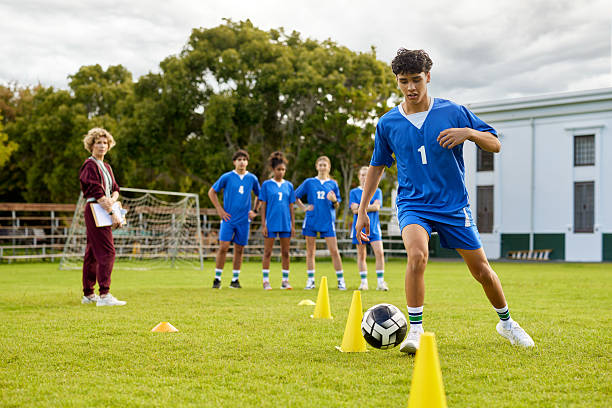
What to Expect from a Professional Sport Psychology Session
A professional sport psychology session is a structured yet flexible process aimed at addressing the mental and emotional aspects of athletic performance. Whether you are an elite competitor or a recreational athlete, these sessions are tailored to help you develop strategies for managing stress, building confidence, and achieving your performance goals. Below is an overview of what typically occurs during a session and what you can expect as part of the experience.
The Structure of a Sport Psychology Session
- A session often begins with an assessment phase where the psychologist gathers information about your athletic background, mental health history, and current challenges.
- Surveys to understand psychological strengths and weaknesses.
- Goal-setting worksheets to identify short-term and long-term aspirations.
- Enhancing focus during competition.
- Improving resilience after setbacks.
- Developing stronger team communication skills (for team sport athletes).
- Visualization: Practicing mental imagery of successful performances.
- Mindfulness: Learning techniques to remain present under pressure.
- Self-Talk Reframing: Shifting negative thoughts into constructive ones.
- Each session typically ends with feedback on progress, along with recommendations for practice between appointments.
Key Areas Addressed in Sport Psychology Sessions
| Area of Focus | Techniques Employed | Benefits for Athletes |
|---|---|---|
| Stress Management | Breathing exercises, relaxation | Reduces performance anxiety |
| Confidence Building | Affirmation practices | Enhances self-belief |
| Goal Achievement | SMART goal frameworks | Improves motivation and clarity |
| Focus and Concentration | Distraction control strategies | Strengthens focus during key moments |
Common Misconceptions About Sport Psychology Sessions
-
“Sport psychology is only for elite athletes.”
In reality, athletes at all levels can benefit from these tools, whether they aim to win championships or simply enjoy their sport more fully. -
“Sessions are only about fixing problems.”
While sessions can address challenges like anxiety or burnout, they are equally focused on enhancing strengths.
What You Should Prepare Before Your First Session
To make the most out of your initial meeting:
– Reflect on specific issues or areas you’d like to improve (e.g., confidence under pressure).
– Be open about past experiences that might influence your mindset or performance.
– Consider writing down questions in advance so no key concerns are overlooked.
Engaging in professional sport psychology sessions provides invaluable opportunities for personal growth—not just as an athlete but also as an individual navigating challenges inherent in high-pressure environments. By focusing on personalized approaches and evidence-based practices, these sessions pave the way for sustainable progress both on and off the field.
Maximizing Potential Through Evidence-Based Sport Psychology Practices
Performance psychology has evolved significantly over the years, with evidence-based practices becoming the cornerstone of its application. By leveraging scientifically validated strategies, performance psychologists help athletes and individuals optimize their mental skills, improve resilience, and unlock their full potential. Below is a detailed exploration of how evidence-based methods are effectively used to maximize human performance.
The Core Principles of Evidence-Based Sport Psychology
Evidence-based sport psychology relies on research-driven approaches to ensure measurable outcomes. This approach integrates:
– Scientific Research: Utilizing peer-reviewed studies to guide interventions.
– Professional Expertise: Applying knowledge from experienced practitioners in the field.
– Client Needs: Tailoring strategies based on the unique requirements and goals of each athlete or individual.
By combining these three pillars, evidence-based practices become both effective and adaptable across various performance domains.
Techniques Commonly Used in Evidence-Based Practices
- Establishing clear, achievable objectives (e.g., SMART goals: Specific, Measurable, Achievable, Relevant, Time-bound).
-
Helping individuals track progress and maintain motivation over time.
- Using mental rehearsal to prepare for high-pressure scenarios.
-
Enhancing confidence by visualizing successful outcomes before competitions or performances.
- Teaching mindfulness techniques such as deep breathing or body scans to reduce anxiety.
-
Implementing progressive muscle relaxation to promote a sense of calm before critical events.
- Identifying negative self-talk patterns that hinder performance.
-
Replacing these with constructive affirmations to boost self-belief during challenging moments.
- Developing routines that minimize distractions during practice or competition.
- Practicing concentration drills that sharpen attention under pressure.
Benefits of Evidence-Based Practices
| Benefit | Description | Example Scenario |
|---|---|---|
| Improved Confidence | Athletes feel prepared for challenges | A tennis player visualizes winning critical match points |
| Increased Resilience | Greater ability to recover from setbacks | A runner bounces back mentally after losing a race |
| Enhanced Focus | Better concentration during high-stake situations | A golfer maintains composure despite noisy surroundings |
| Reduced Anxiety | Lower stress levels before competitions | A swimmer uses breathing exercises before a big event |
| Consistent Performance | Ability to deliver results consistently | A basketball player executes plays reliably under pressure |
Why Data-Driven Interventions Are Essential
One major advantage of evidence-based practices is their adaptability across diverse athletic disciplines and scenarios — from elite sports settings to recreational activities. Decision-making is guided by empirical data rather than anecdotal advice or intuition. This ensures interventions are not only effective but also sustainable for long-term growth in both performance outcomes and personal development.
When athletes engage with evidence-backed methodologies under professional guidance, they experience measurable progress toward achieving their highest potential while fostering psychological well-being alongside physical excellence.
Maximizing Potential Through Evidence-Based Sport Psychology Practices
The application of evidence-based practices in sport psychology is essential for helping athletes maximize their potential. By relying on research-driven techniques and interventions, practitioners can effectively guide athletes toward enhanced performance, mental resilience, and overall well-being. Below is an exploration of the core elements involved in evidence-based sport psychology practices.
Why Evidence-Based Practices Matter
- Improved Performance Outcomes: Athletes benefit from strategies that are tailored to their individual needs and backed by empirical support.
- Consistency Across Contexts: Evidence-based approaches minimize trial-and-error by focusing on techniques with universal applicability.
- Credibility: Using scientifically validated methods enhances the trust between athletes and sport psychologists.
Core Components of Evidence-Based Sport Psychology
- Comprehensive assessments to evaluate an athlete’s mental strengths, weaknesses, stressors, and motivations.
-
Establishing specific, measurable, achievable, relevant, and time-bound (SMART) goals to provide a clear roadmap for progress.
-
Mental Skills Training (MST)
This involves teaching athletes psychological skills to improve focus, confidence, resilience, and composure under pressure.- Visualization/Imagery: Mentally rehearsing successful performances or scenarios to build confidence.
- Self-Talk Strategies: Replacing negative or unhelpful thoughts with positive affirmations or constructive feedback.
- Mindfulness Training: Enhancing present-moment awareness to reduce stress during high-pressure situations.
-
Tailored Interventions Based on Research
Each intervention is customized based on the latest findings in cognitive science and sport psychology literature: - Cognitive-behavioral approaches for managing anxiety or fear of failure.
- Biofeedback tools for monitoring physiological responses like heart rate variability.
-
Motivation enhancement techniques drawn from theories such as self-determination theory (SDT).
Steps Athletes Can Take To Apply These Practices
- Work closely with a licensed performance psychologist to assess current mental skills actively.
- Regularly practice mindfulness and relaxation techniques as part of daily training schedules.
- Use journaling after games or training sessions to reflect on strengths and areas for improvement.
- Engage with biofeedback tools or apps designed for athletes seeking data-driven insights about their physical state during performance moments.
By focusing on research-backed methods within sport psychology practices, athletes gain access not only to cutting-edge techniques but also a framework that promotes long-term growth across all areas of performance development.
- How Athlete Performance Coaching McLean VA Can Transform Your First Sport Psychology Session for Endurance Athletes
- Unlocking the 5 C’s of Performance Psychology in McLean VA for Peak Mental Edge
- Enhance Athletic Success with McLean VA Sports Psychology Counseling
- Exploring the Advantages of McLean VA Sports Psychology Counseling Sessions
- McLean VA Sports Psychology Counseling: Enhancing Mental Health and Athletic Performance
- Enhance Your Mental Game: Athlete Performance Coaching McLean VA Shares 5 Key Strategies for Peak Success
- Elevate Your Game with Athlete Performance Coaching McLean VA
- How McLean VA Sports Psychology Counseling Supports High-Performance Athletes
- Unlocking Peak Performance Through McLean VA Sports Psychology Counseling